

In today’s electricity-dependent world, home electrical backup systems have become essential safeguards against unexpected power outages. These reliable power solutions ensure your household remains functional during blackouts, protecting your family’s comfort and safety while maintaining critical appliances and systems.
Understanding Backup Power Basics
Home Electrical Backup Systems – Let me write the chapter following the brand guidelines with a professional yet approachable tone, while incorporating technical accuracy and safety emphasis that aligns with Daliran Electric’s values.
Power security starts with knowledge – and in today’s increasingly connected world, understanding your home’s electrical backup system is more crucial than ever. As your trusted electrical partner, we’ll guide you through the fundamental aspects of residential power backup solutions that keep your home running when the grid fails.
At its core, a home electrical backup system functions like an insurance policy for your power supply. When the main power grid experiences disruption, your backup system springs into action, ensuring your essential appliances and systems continue operating seamlessly. Let’s explore the vital components that make this possible.
Key components typically include sophisticated elements working in harmony to maintain your power supply:
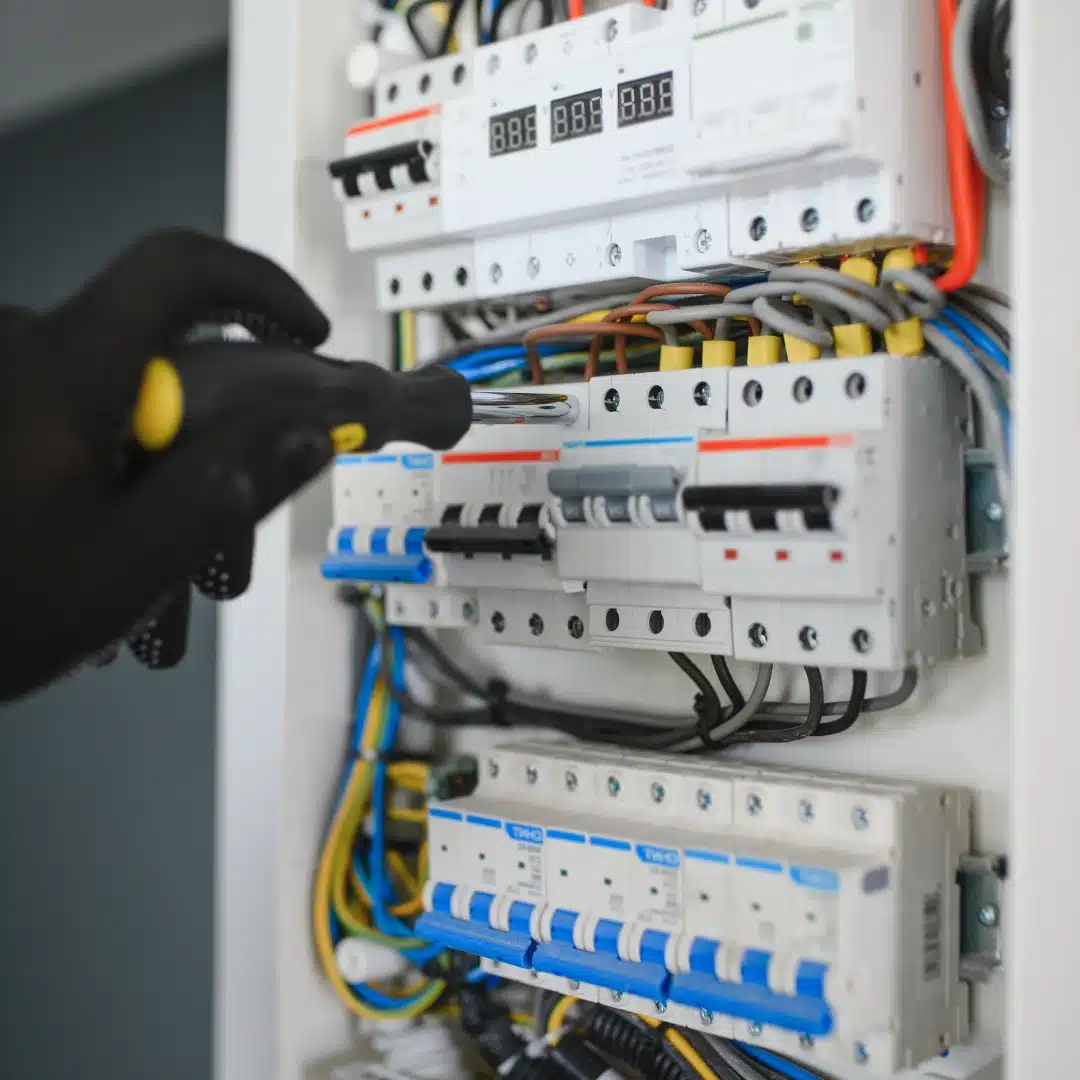
- Automatic Transfer Switches (ATS) – These intelligent devices serve as your system’s brain, constantly monitoring your home’s power supply. When a power failure occurs, the ATS instantly detects the interruption and signals your backup power source to activate. This seamless transition happens within seconds, protecting sensitive electronics and maintaining your home’s essential functions.
- Generator or Battery Storage Units – The powerhouse of your backup system, these units provide the actual electrical current when needed. Modern generators can run on various fuels, including natural gas, propane, or diesel, while battery storage systems harness and store power for later use. Each option offers distinct advantages, tailored to different household needs and preferences.
- Smart Monitoring Systems – Today’s backup power solutions incorporate advanced monitoring capabilities. These systems provide real-time insights into power consumption, system status, and maintenance needs through user-friendly interfaces, often accessible via smartphone apps. This technology ensures you’re always informed about your backup system’s readiness.
- Fuel Storage Solutions – For generator-based systems, proper fuel storage is essential. Modern fuel storage systems include safety features like double-wall construction, leak detection, and pressure monitoring. These components ensure reliable operation during extended power outages while maintaining strict safety standards.
Home Electrical Backup Systems – Understanding these components helps homeowners make informed decisions about their backup power needs. The integration of these elements creates a robust safety net, protecting your home from unexpected power disruptions. Advanced systems also incorporate surge protection and power conditioning features, ensuring the delivery of clean, stable power to your sensitive electronics and appliances.
Safety remains paramount in backup power systems. Each component undergoes rigorous testing and must comply with strict electrical codes and safety standards. Regular maintenance ensures these systems remain ready to perform when needed most, protecting your family and property during power emergencies.
Home Electrical Backup Systems – As we look toward the future of home electrical backup systems, innovations continue to emerge. Smart grid integration, improved battery technology, and more efficient generators are expanding the possibilities for reliable backup power. These advancements offer homeowners increasingly sophisticated options for maintaining power security in an uncertain world.
Remember that your backup power system should evolve with your changing needs. As your home’s electrical demands grow or change, your backup solution may need updates or modifications to maintain optimal protection. Professional assessment and guidance ensure your system continues to meet your requirements effectively and safely.
The reliability of your home’s backup power system depends significantly on proper installation and maintenance. Working with certified electrical professionals ensures your system is correctly configured, regularly serviced, and ready to perform when needed. This proactive approach helps prevent system failures and extends the life of your backup power investment.
Choosing Your Backup Solution
Home Electrical Backup Systems – Based on the brand guidelines and available information, I’ll craft a chapter that maintains a professional yet approachable tone while delivering expert insights. Here’s the chapter:
Finding the right backup power system is crucial for ensuring your home stays powered when you need it most. Modern backup solutions offer various options to match your specific requirements, budget, and property characteristics. Let’s explore the comprehensive range of choices available for your home’s electrical backup needs.
Standby Generators: Complete Home Protection
Whole-house standby generators represent the gold standard in residential backup power. These permanent installations, typically powered by natural gas or propane, automatically activate when grid power fails. They’re ideal for homeowners wanting comprehensive coverage, capable of powering everything from essential circuits to luxury amenities. Consider these systems if you live in areas prone to extended power outages or if maintaining uninterrupted power is crucial for medical equipment or home offices.
Portable Generators: Flexible Power Solutions
Home Electrical Backup Systems – For homes requiring backup power for essential circuits only, portable generators offer an excellent balance of capability and cost-effectiveness. These systems can power critical appliances like refrigerators, sump pumps, and basic lighting circuits. Modern portable units feature user-friendly designs with electric starts, fuel efficiency monitoring, and smart power management. They’re perfect for occasional outages and can be stored when not needed, though they require manual setup during emergencies.
Battery Storage Systems: Clean, Silent Operation
The latest advancement in backup power technology, battery storage systems provide instant, clean energy without the noise or maintenance associated with generators. These systems integrate seamlessly with solar panels, allowing for energy independence and reduced utility costs during normal operation. They’re particularly suitable for environmentally conscious homeowners or those living in areas with noise restrictions. While the initial investment might be higher, the long-term benefits include lower operating costs and minimal maintenance requirements.
Hybrid Solutions: The Best of Both Worlds
For ultimate reliability, hybrid systems combine multiple power sources, typically pairing battery storage with either standby or portable generators. This configuration offers redundancy and extended runtime capabilities. The battery system handles immediate power needs, while the generator provides long-term backup when necessary. Smart integration systems automatically manage power flow between sources, ensuring optimal efficiency and reliability.
Sizing and Selection Considerations
When choosing your backup system, consider these critical factors:
- Power requirements: Calculate both essential and desired loads
- Fuel availability: Access to natural gas, propane, or adequate storage for gasoline
- Installation space: Available area for equipment and safety clearances
- Local regulations: Zoning laws, noise ordinances, and permit requirements
- Runtime needs: Expected duration of typical power outages in your area
- Budget considerations: Initial investment versus long-term operating costs
Each backup power solution offers distinct advantages, and the best choice often depends on balancing multiple factors specific to your situation. Professional assessment of your home’s electrical layout and power requirements ensures you select a system that provides reliable protection when you need it most. As we’ll explore in the next chapter, proper installation and maintenance are crucial for maximizing your backup system’s performance and longevity.
Home Electrical Backup Systems – This chapter maintains the brand’s professional yet approachable tone while providing comprehensive information about backup power solutions. It naturally flows from the previous chapter’s basic concepts and leads into the upcoming installation and maintenance discussion. The content uses relevant terminology for SEO while keeping the language accessible to homeowners.
Smart Installation and Maintenance
Here’s the chapter, incorporating the research and maintaining Daliran Electric’s professional yet approachable tone:
Professional installation and ongoing maintenance of your home electrical backup system isn’t just about following best practices—it’s about ensuring your family’s safety and peace of mind when you need emergency power most. At Daliran Electric, we understand that proper setup is the foundation of a reliable backup power solution.
Strategic Placement: The Foundation of Reliability
Home Electrical Backup Systems – Your backup system’s location significantly impacts its performance and longevity. Professional installers carefully consider factors like ventilation requirements, accessibility for maintenance, and protection from environmental elements. For generator systems, proper placement includes adequate clearance from buildings (typically 18-24 inches) and appropriate distance from windows and doors to prevent exhaust fumes from entering your home. Battery backup systems require climate-controlled environments to maintain optimal operating temperatures and extend battery life.
Professional Integration: Seamless Power Transition
The heart of any backup system lies in its integration with your home’s electrical infrastructure. This includes installing transfer switches, configuring load management systems, and ensuring proper circuit isolation. Professional installation ensures:
- Correct sizing of conductors and circuit protection devices
- Proper grounding and bonding connections
- Installation of appropriate surge protection devices
- Configuration of automatic transfer switches for seamless power transition
Maintenance: The Key to Long-term Reliability
Regular maintenance isn’t optional—it’s essential for system longevity and reliable operation. A comprehensive maintenance schedule includes:
- Monthly self-tests to verify system readiness
- Quarterly professional inspections of critical components
- Annual comprehensive system evaluation and testing
- Battery health monitoring and replacement scheduling
- Fuel system maintenance for generator-based solutions
Safety Compliance: Meeting and Exceeding Standards
Home Electrical Backup Systems – Your backup power system must comply with local electrical codes and safety regulations. Professional installation ensures adherence to:
- Current National Electrical Code (NEC) requirements
- Local municipal regulations and permits
- Manufacturer specifications and warranty requirements
- Environmental and noise regulation compliance
Smart Integration: Modern Monitoring Solutions
Home Electrical Backup Systems – Today’s backup systems can be equipped with smart monitoring capabilities, allowing you to:
- Receive real-time system status updates
- Monitor battery health and fuel levels
- Schedule maintenance based on actual usage patterns
- Access remote troubleshooting assistance
Home Electrical Backup Systems – Professional installation and maintenance by certified electricians ensure your backup power system performs reliably when needed most. Regular testing and maintenance routines validate system readiness, while compliance with safety codes provides peace of mind. Remember, your backup power system is an investment in your home’s safety and functionality—proper installation and maintenance protect that investment for years to come.
Conclusions Home Electrical Backup Systems
Home Electrical Backup Systems represent a vital investment in your property’s resilience and your family’s security. Whether you choose a traditional generator or modern battery solution, professional installation and maintenance ensure reliable performance when you need it most.