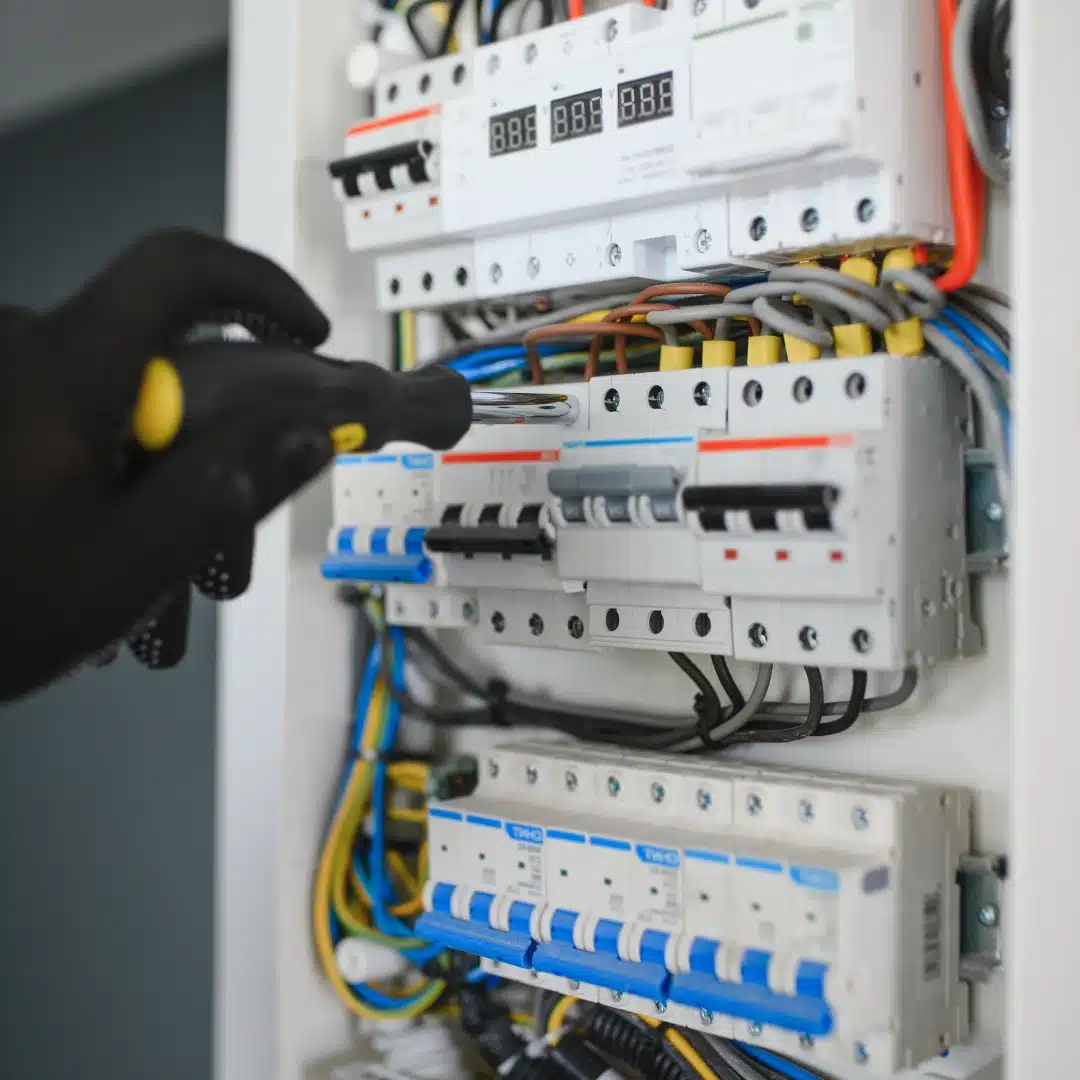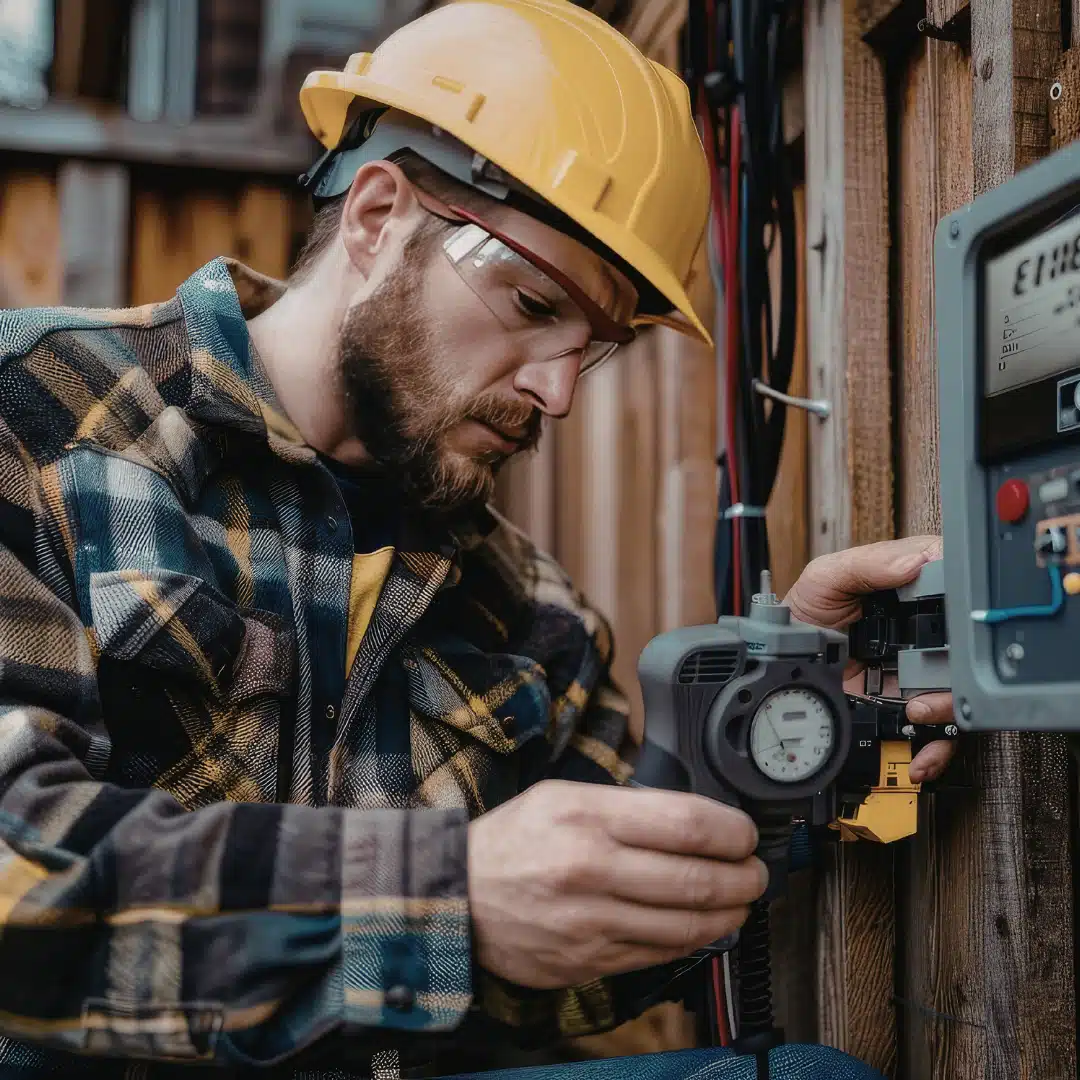

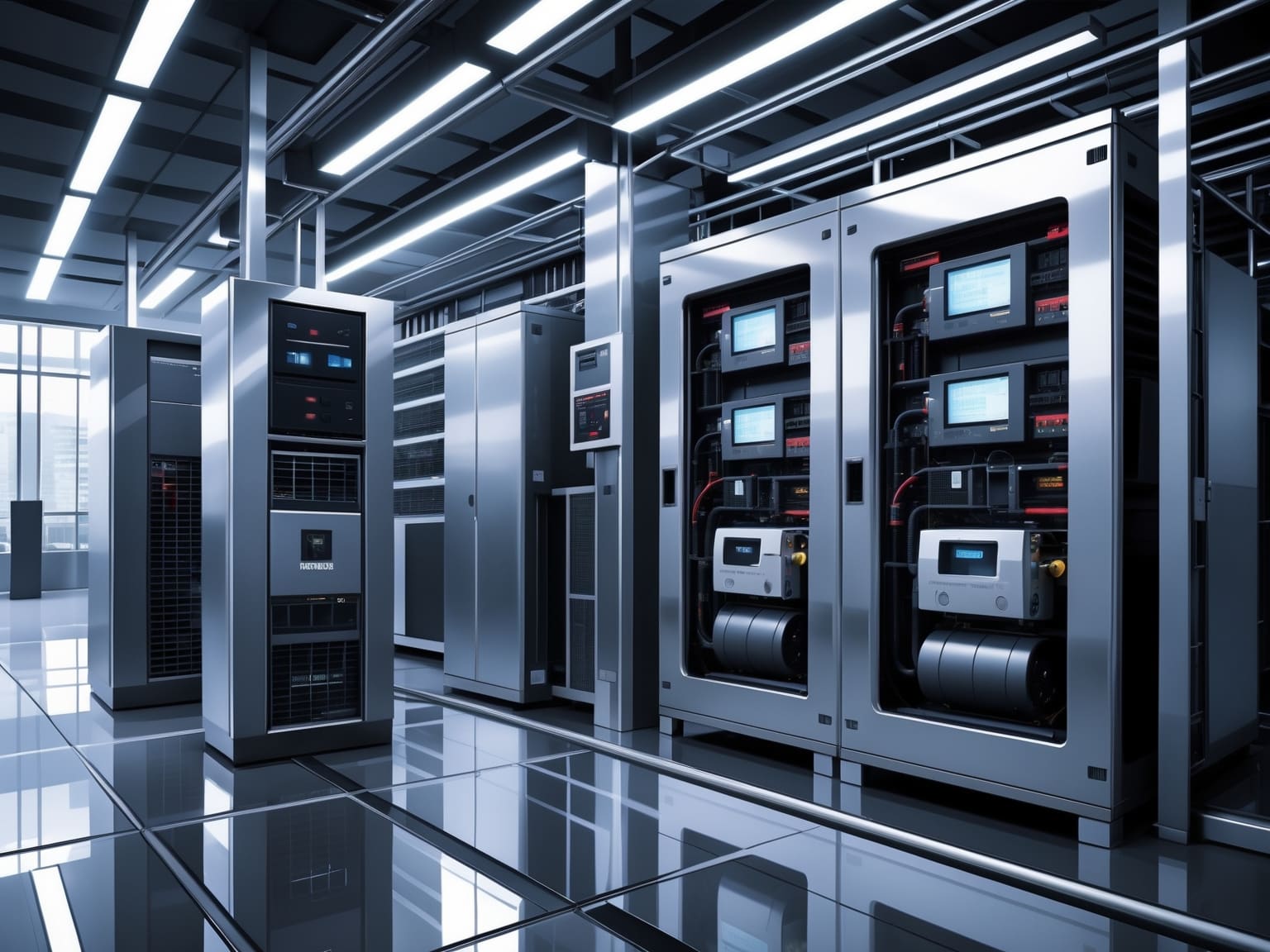
In today’s digital age, a power backup system for commercial buildings is not just a luxury—it’s an essential part of ensuring business continuity, protecting valuable equipment, and maintaining critical operations during power outages. From data centers to office complexes, having a reliable power backup system for commercial buildings safeguards your commercial investment and supports uninterrupted functionality.
Understanding Power Backup System for Commercial Buildings Fundamentals
In today’s rapidly evolving commercial landscape, a robust power backup system for commercial buildings acts as the cornerstone of operational resilience and business continuity. These sophisticated systems protect commercial properties against power disruptions, ensuring the continuous operation of critical equipment and systems.
At the core of any effective power backup system for commercial buildings lies the Uninterruptible Power Supply (UPS), which provides instantaneous power protection. UPS units use advanced electronic circuitry to monitor power quality continuously, automatically switching to backup power within milliseconds when anomalies are detected. This immediacy is crucial for protecting sensitive equipment and ensuring smooth operation during outages.
Standby generators work alongside UPS systems, extending backup power duration for commercial buildings. These generators, usually powered by diesel or natural gas, activate automatically upon main power failure and can sustain operations for extended periods. Modern generators include sophisticated engine management systems to optimize fuel use while ensuring reliable performance under different loads.
Advanced monitoring solutions have become an integral part of modern power backup systems for commercial buildings. These systems deliver real-time insights into power quality, battery health, and overall system performance using sensors and analytics platforms. Facility managers can access detailed dashboards for proactive maintenance and rapid issue response.
Smart transfer switches serve as the intelligent backbone of modern commercial power backup systems, continuously evaluating power parameters and seamlessly switching between power sources without disruption. This technology protects connected equipment from damaging power fluctuations and maintains smooth operations.
Implementing a power backup system for commercial buildings requires careful consideration of load demands, critical system priorities, and regulatory compliance. Modern systems often use redundant components and parallel configurations to boost reliability and allow maintenance without compromising protection. Energy storage technologies, such as advanced battery banks and flywheel systems, add additional layers of backup security.
Types of Power Backup System for Commercial Buildings Solutions
Commercial buildings require sophisticated power backup system for commercial buildings configurations tailored to operational needs and risk levels. The main types include:
-
Online Double-Conversion UPS Systems: The gold standard for power protection, continuously converting incoming power to deliver stable, disturbance-free electricity.
-
Line-Interactive UPS Systems: Suitable for commercial buildings with moderate power quality demands, these systems regulate voltage without switching to battery backup unnecessarily.
-
Standby Power Systems: Cost-effective solutions for non-critical applications, switching to battery power only during outages.
-
Flywheel UPS Systems: Innovative solutions using kinetic energy stored in flywheels to provide rapid, eco-friendly backup power.
Choosing the right power backup system for commercial buildings depends on factors like load characteristics, power quality requirements, and facility size. Mission-critical environments such as data centers often require online double-conversion systems, while office buildings might opt for line-interactive or standby systems based on budget and needs.
Integration with building management and energy monitoring platforms is vital for optimal performance. Additionally, sustainability considerations encourage the adoption of flywheel and hybrid systems, which reduce environmental impact while ensuring reliable backup power.
Smart Integration and Management of Power Backup System for Commercial Buildings
The integration of intelligent management systems into power backup systems for commercial buildings marks a major technological advancement. Modern building management systems (BMS) work hand in hand with backup power solutions to optimize energy use during outages.
Smart systems implement automated load shedding protocols, prioritizing critical equipment such as data center cooling systems while reducing power to less essential areas. Remote monitoring provides facility managers with real-time dashboards to track battery health, load levels, and system efficiency, enabling rapid response to any anomalies.
Predictive maintenance capabilities use advanced algorithms to detect potential failures early, alerting maintenance teams before issues escalate. This proactive approach minimizes downtime and extends system lifespan.
Cloud-based platforms store historical performance data and provide detailed analytics, empowering data-driven decisions for system upgrades and maintenance. Integration with other building systems, such as HVAC and security, enables coordinated load management based on real-time occupancy and usage patterns.
Automated alerts through email, SMS, or mobile apps keep stakeholders informed about system status and maintenance needs, facilitating timely interventions.
Maintenance and Testing Protocols
Moving beyond smart integration, maintaining backup power reliability becomes paramount for commercial building operations. A structured maintenance and testing protocol forms the backbone of dependable emergency power systems, ensuring business continuity when primary power fails. Regular preventive maintenance not only extends system longevity but also safeguards against costly downtime and equipment failures.
Battery health management stands as a critical cornerstone of power backup system maintenance. Commercial facilities must implement systematic battery testing protocols, including voltage checks, load testing, and specific gravity measurements for wet-cell batteries. Industry best practices recommend quarterly battery assessments and maintaining detailed performance logs. Modern UPS systems typically require battery replacement every 3-5 years, though environmental factors and usage patterns may necessitate more frequent replacements.
Load testing represents another vital component of comprehensive backup power maintenance. Building managers should conduct full-load tests at least annually, simulating actual power outage conditions to verify system performance under real-world scenarios. These tests should evaluate:
- Transfer switch operation and timing
- Generator start-up sequence and performance
- Power quality metrics including voltage stability
- Fuel system integrity and consumption rates
- Critical load support duration
Emergency response protocols require regular validation through structured drills and simulations. Facility teams must demonstrate proficiency in:
- Manual transfer switch operation
- Emergency shutdown procedures
- Load prioritization execution
- Communication protocols during power events
- Coordination with emergency services
Compliance with safety standards remains non-negotiable for commercial building backup power systems. Regular inspections must verify adherence to NFPA 110, NFPA 111, and local regulatory requirements. Documentation of maintenance activities, testing results, and compliance checks should be meticulously maintained, including:
- Monthly generator test logs
- Fuel quality reports
- Battery replacement records
- Load bank test results
- Maintenance personnel certifications
Proactive maintenance strategies extend beyond routine checks to include predictive analytics and condition monitoring. Advanced diagnostic tools help identify potential failures before they occur, enabling scheduled interventions that minimize business disruption. Key predictive maintenance elements include:
- Thermal imaging of electrical connections
- Vibration analysis of rotating equipment
- Oil analysis for generator systems
- Power quality monitoring trends
- Battery impedance testing
Environmental factors significantly impact backup power system reliability. Maintenance protocols must account for:
- Temperature and humidity control in battery rooms
- Ventilation system performance
- Fuel storage conditions
- Dust and debris accumulation
- Weather protection measures
Training and certification of maintenance personnel plays a crucial role in system reliability. Building managers should ensure:
- Regular staff training on new equipment and procedures
- Certification updates for maintenance technicians
- Familiarity with manufacturer-specific maintenance requirements
- Understanding of safety protocols and emergency procedures
- Documentation of training completion and competency assessments
By implementing comprehensive maintenance and testing protocols, commercial buildings can maintain backup power reliability while optimizing system performance and longevity. Regular assessments, coupled with proactive maintenance strategies, ensure power backup systems remain ready to support critical operations during power interruptions, protecting business continuity and stakeholder interests.
FAQ
1. What is a Power Backup System for Commercial Buildings and why is it essential?
A Power Backup System for Commercial Buildings is a combination of technologies designed to provide continuous electrical power during outages or power fluctuations. It ensures that critical operations, such as data centers, security systems, and lighting, remain functional even when the main power supply fails. For commercial properties, having a reliable backup system is essential to avoid costly downtime, protect sensitive equipment, and maintain productivity.
2. What are the main components of a Power Backup System for Commercial Buildings?
Typical components of a Power Backup System for Commercial Buildings include Uninterruptible Power Supplies (UPS), standby generators, transfer switches, and advanced monitoring systems. UPS units provide immediate power to critical loads during outages, while generators offer longer-term backup. Transfer switches manage seamless switching between power sources. Modern systems often incorporate remote monitoring and predictive maintenance features to ensure reliability and optimize performance.
3. How do I choose the right Power Backup System for my commercial building?
Choosing the right Power Backup System for Commercial Buildings depends on your facility’s size, critical load requirements, and budget. For mission-critical operations like data centers, online double-conversion UPS systems are preferred due to their superior power conditioning. For less critical applications, line-interactive or standby systems may suffice. It’s important to assess load types, power quality needs, and future scalability when selecting a system.
4. What maintenance is required to keep a Power Backup System for Commercial Buildings reliable?
Maintenance is crucial for the ongoing reliability of a Power Backup System for Commercial Buildings. This includes regular battery health checks, load testing, transfer switch inspections, and generator fuel quality monitoring. Adhering to manufacturer recommendations and industry standards such as NFPA 110 ensures your system performs optimally during outages. Predictive maintenance technologies can also help identify issues before failures occur.
5. How does smart integration improve Power Backup Systems for Commercial Buildings?
Smart integration connects Power Backup Systems for Commercial Buildings to Building Management Systems (BMS) and cloud platforms, enabling real-time monitoring and control. This allows facility managers to optimize energy usage, prioritize loads during outages, and receive instant alerts about system status. Advanced analytics support predictive maintenance and improve operational efficiency, ultimately extending the lifespan of the backup infrastructure.
Conclusions
Choosing and maintaining the right power backup system for commercial buildings guarantees uninterrupted power supply, protects critical infrastructure, and supports business resilience. Implementing smart management and regular testing maximizes the system’s efficiency and lifespan, making it a vital investment for any commercial property.
If you have any questions or need personalized support, please don’t hesitate to reach out through our Contact Us page. Our team is ready to assist you with all your power backup system needs.
Investing in reliable power backup systems secures the future of your business, allowing you to focus on growth and success with confidence.