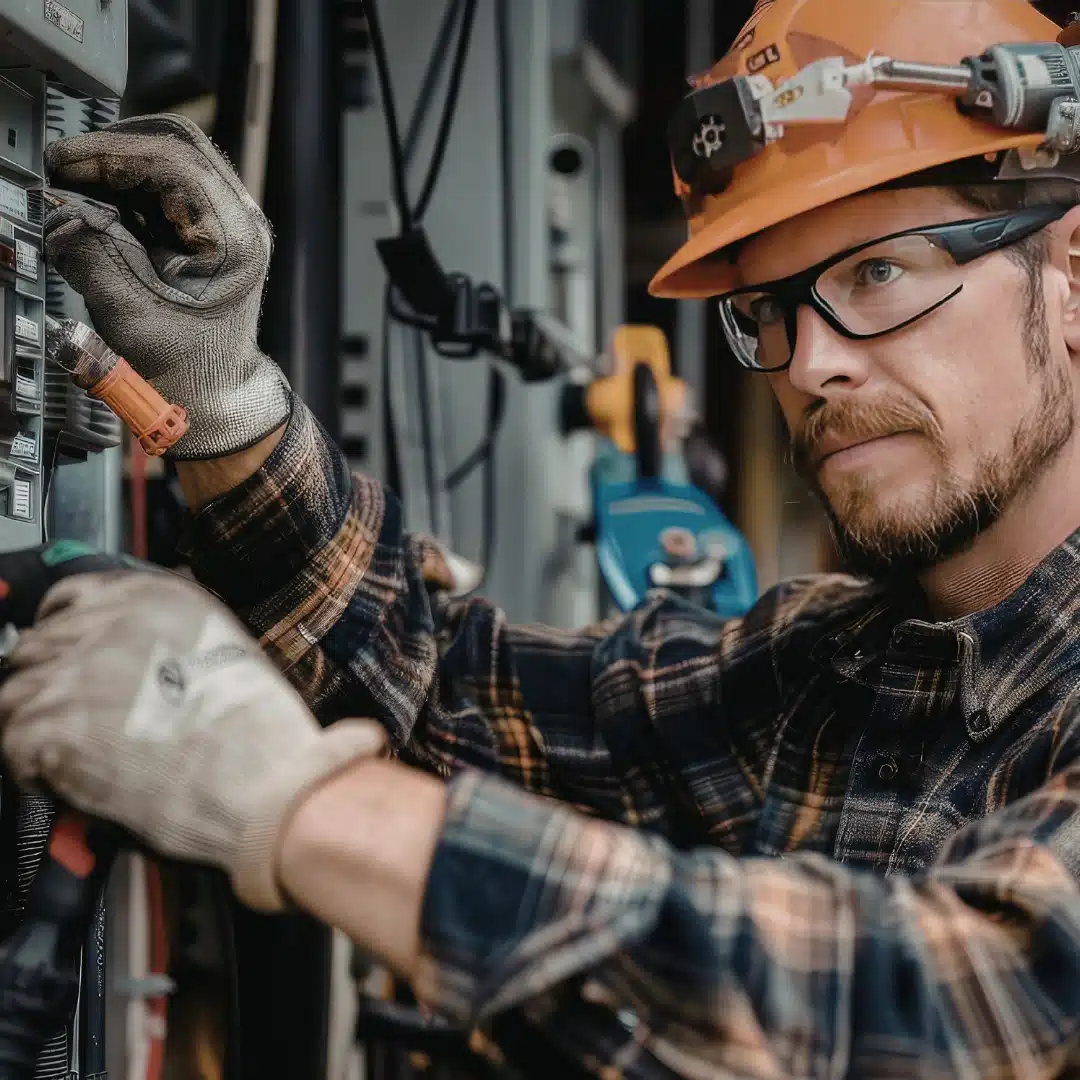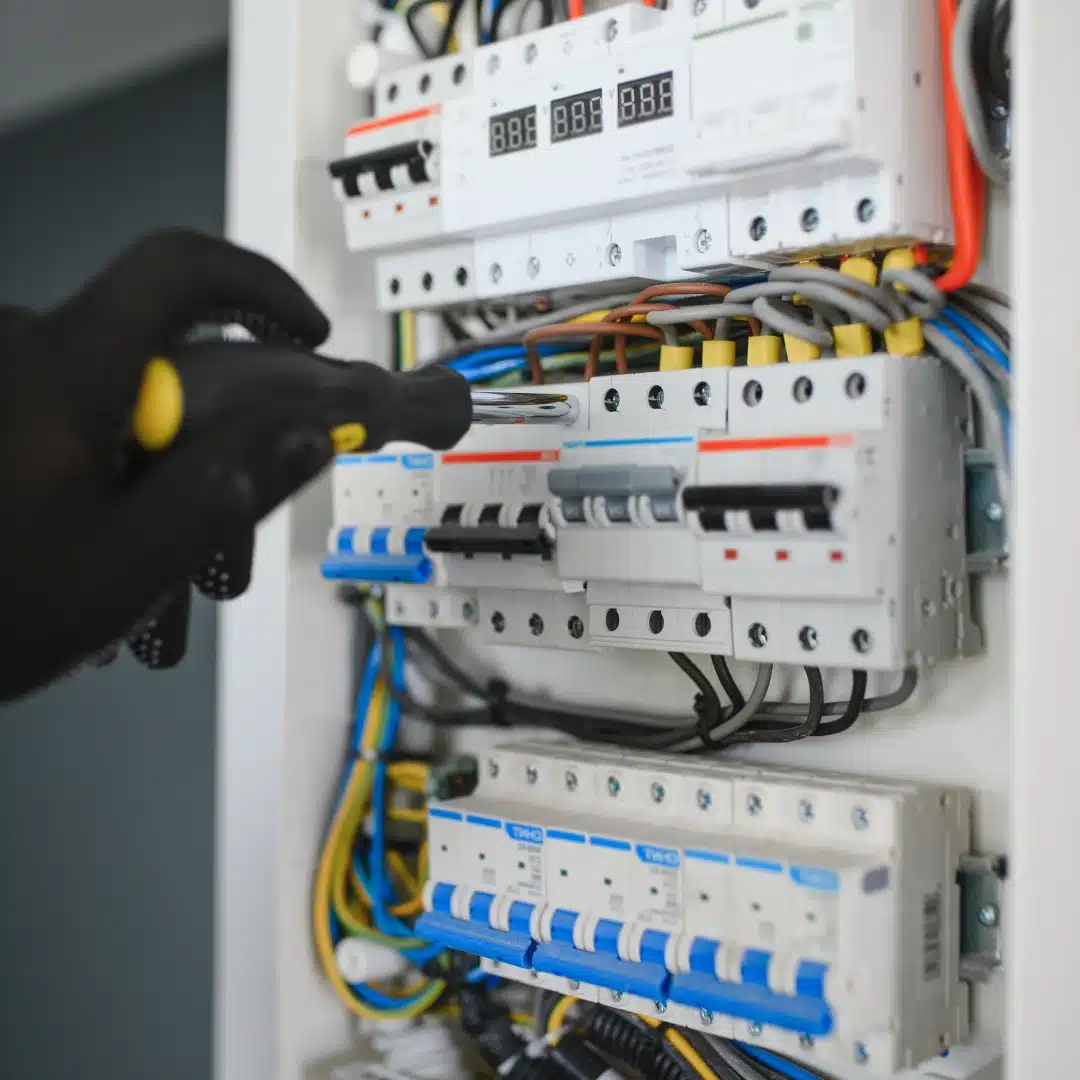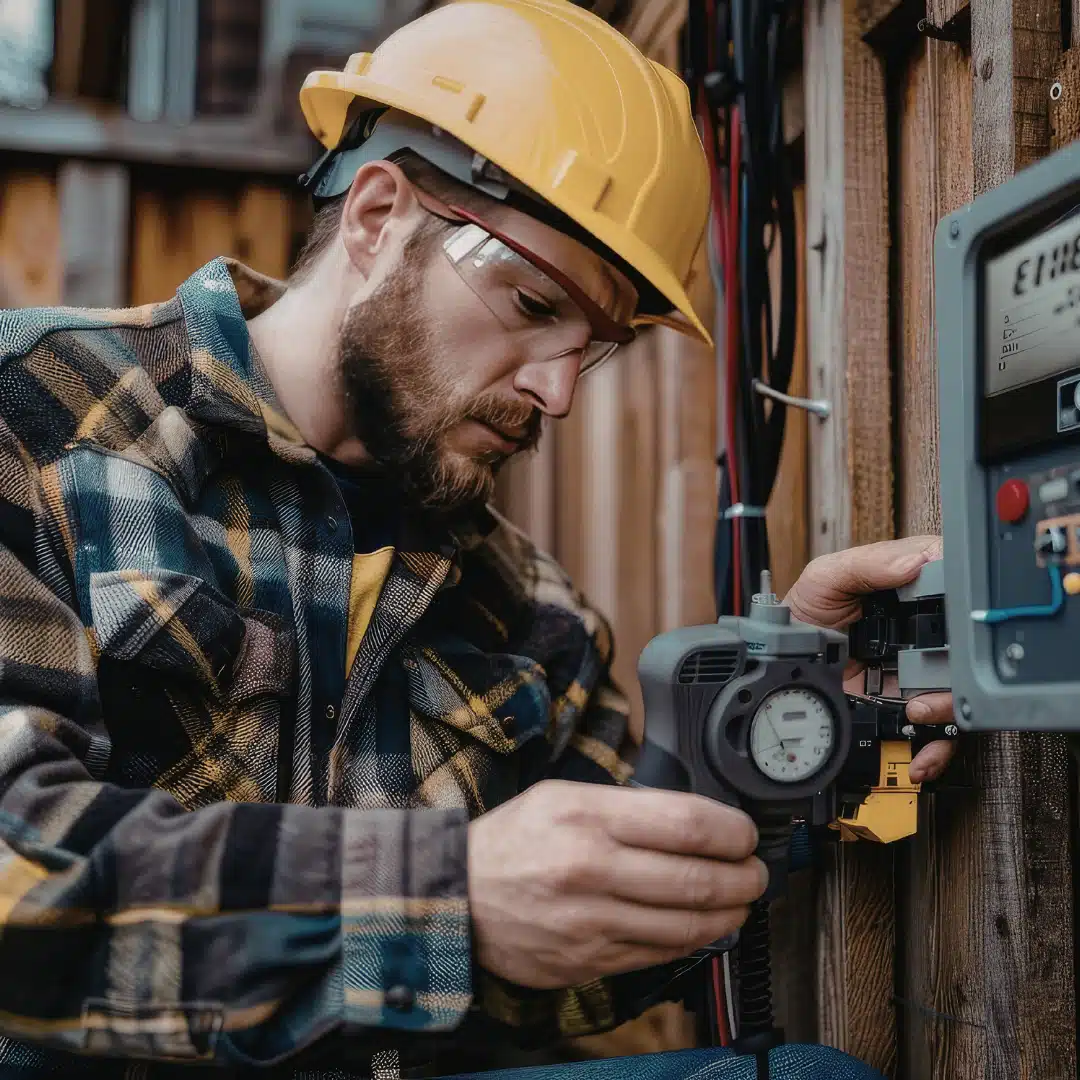


Understanding electrical wiring a house is crucial for safety and functionality in modern homes. From circuit planning to installation, proper electrical systems require careful consideration of safety codes, materials, and professional expertise. Let’s explore the essential aspects of residential electrical wiring that every homeowner should know.
Understanding Your Home’s Electrical Framework
Here’s the chapter text:
The foundation of any well-designed residential electrical system lies in its careful planning and proper implementation. Your home’s electrical framework serves as the vital infrastructure that powers modern living, making understanding its core components essential for both safety and functionality.
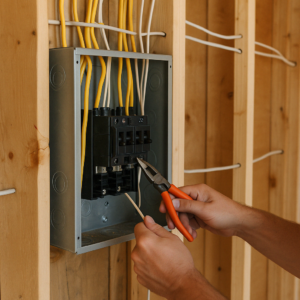
At the heart of your home’s electrical system sits the main service panel, commonly rated at 200 amperes for modern homes, providing up to 48,000 watts of power capacity. This central hub houses circuit breakers that protect individual circuits while distributing electricity throughout your residence. When planning your electrical framework, consider that today’s homes typically require at least 100 amperes of service, though 200 amperes has become the standard to accommodate increasing power demands.
Modern homes require several essential circuit types to function efficiently and safely. These include:
- Dedicated 20-amp circuits for kitchen countertop outlets
- Specialized 240-volt circuits for major appliances like electric ranges and dryers
- Ground Fault Circuit Interrupter (GFCI) protected circuits for wet locations
- Arc Fault Circuit Interrupter (AFCI) protection for bedroom circuits
- Multiple 15-amp general-purpose circuits for lighting and outlets
Load calculation forms the cornerstone of proper system sizing. This critical assessment involves evaluating your home’s total power requirements by considering:
- Square footage and number of circuits required per room
- Major appliance specifications and power demands
- Heating and cooling system requirements
- Future expansion possibilities and additional power needs
Your home’s electrical framework must incorporate proper grounding systems and bonding connections, ensuring safe operation during normal use and fault conditions. The main service panel serves as the central grounding point, connecting to the earth through ground rods or other approved methods, while the neutral bus provides the return path for electrical current.
During the house wiring process, special attention must be paid to proper wire sizing and circuit protection. Branch circuits extend from the main panel through your home’s structure, carefully routed through walls, floors, and ceilings using appropriate wiring methods. These pathways must maintain proper separation from other building systems while remaining accessible for future maintenance or modifications.
Working with certified electrical professionals ensures your home’s power distribution network meets or exceeds local electrical codes. They possess the expertise to perform accurate load calculations, implement proper circuit protection, and ensure all connections are secure and properly terminated. This professional oversight protects your investment while guaranteeing your electrical system can safely support your household’s current and future power requirements.
Cable management and organization within the service panel play a crucial role in long-term reliability and maintenance accessibility. Proper labeling of circuits, neat wire routing, and adequate workspace clearances facilitate future modifications and troubleshooting. This systematic approach to house wiring creates an electrical framework that’s not only safe and efficient but also adaptable to evolving household needs.

Electrical Wiring Materials and Safety Standards
Here’s the chapter, incorporating professional insights and safety standards while maintaining brand alignment:
When it comes to residential electrical wiring, the quality of materials and strict adherence to safety standards aren’t just recommendations—they’re essential requirements that protect both life and property. Modern home wiring demands a comprehensive understanding of approved materials and current safety protocols to ensure a reliable and secure electrical system.
Modern Cable Types and Their Applications
Today’s residential wiring relies primarily on several key cable types, each designed for specific applications:
- NM-B (Romex) Cable: The most common residential wiring choice, featuring a non-metallic sheathing that’s perfect for dry, interior locations. Available in 14, 12, and 10 AWG sizes for different circuit requirements.
- THHN/THWN: Individual conductors used in conduit systems, offering excellent heat resistance and wet-location capabilities.
- UF-B Cable: Underground feeder cable designed for direct burial and outdoor applications, featuring enhanced moisture protection.
- MC Cable: Metal-clad cable offering superior protection and fire resistance, commonly used in commercial settings and some residential applications where additional durability is required.
Circuit Protection Devices and Installation
A robust electrical system relies on properly selected and installed protection devices:
- Circuit Breakers: Must be correctly sized to the wire gauge and expected load, with AFCI protection required for most living space circuits
- GFCI Protection: Essential in wet locations like kitchens, bathrooms, outdoor areas, and basements
- Surge Protection: Whole-house surge protectors at the main panel provide comprehensive equipment protection
- Proper Panel Layout: Strategic organization of circuits ensures easy maintenance and future modifications
Grounding System Requirements
A properly designed grounding system is crucial for electrical safety:
- Grounding Electrode System: Including ground rods, water pipe connections, and foundation steel where applicable
- Equipment Grounding: Every circuit requires a properly sized equipment grounding conductor
- Bonding: All metallic components must be properly bonded to ensure fault current has a clear path to ground
- Ground Fault Protection: Implementation of required ground fault protection measures for specific circuits and locations
Material Selection and Code Compliance
All electrical components must meet specific requirements:
- UL-listed or similarly certified components only
- Proper temperature and environmental ratings for the installation location
- Correct sizing based on load calculations and circuit requirements
- Compatible materials and connectors throughout the system
Modern residential electrical systems must comply with the National Electrical Code (NEC) requirements, which are updated every three years to address new technologies and safety concerns. Local amendments may impose additional requirements, making it essential to work with qualified professionals familiar with regional codes.
While the initial cost of quality electrical materials may be higher, they provide superior performance, enhanced safety, and longer service life. Investing in proper materials and ensuring correct installation practices protects your home investment while providing peace of mind for years to come.
Remember: Your home’s electrical system is only as reliable as its weakest component. Using approved materials and following current safety standards isn’t just about code compliance—it’s about ensuring the safety and functionality of your home’s electrical infrastructure for generations to come.
Professional Installation Best Practices
Here’s the chapter, incorporating professional standards while maintaining Daliran Electric’s brand voice and expertise:
Professional electrical installation demands meticulous attention to detail and adherence to established methodologies. As certified electrical professionals serving the GTA, we emphasize the critical importance of proper wire routing and systematic installation approaches that ensure both safety and efficiency.
Cable management represents the cornerstone of professional residential wiring. When routing electrical cables through wall cavities and ceiling spaces, maintaining proper spacing and securing methods is paramount. Cables should be supported at regular intervals using approved fasteners, preventing sagging or physical stress on conductors. Strategic routing paths should account for future accessibility while protecting wires from physical damage.
Junction box placement requires careful consideration of both immediate functionality and long-term maintenance needs. Professional installation demands that all junction boxes remain accessible for future inspections and repairs. Boxes must be securely mounted, properly sized for the number of conductors, and positioned to allow adequate working space. The strategic placement of junction boxes facilitates efficient circuit distribution while maintaining the aesthetic appeal of living spaces.
Quality assurance through comprehensive testing stands as a non-negotiable aspect of professional electrical installation. Before energizing any circuit, thorough verification procedures must be conducted, including:
- Continuity testing to verify proper connections
- Insulation resistance measurements to ensure cable integrity
- Polarity verification for all outlets and fixtures
- Ground fault protection testing
- Load testing to confirm proper circuit operation
Professional wiring techniques incorporate strategic planning for future expansion. Creating dedicated circuits for high-demand areas and installing additional capacity in main distribution panels demonstrates foresight in residential electrical design. This approach accommodates growing power demands while maintaining system integrity.
Cable identification and detailed documentation represent hallmarks of professional installation. Clear labeling of circuits, maintenance of accurate wiring diagrams, and proper record-keeping ensure safe and efficient system maintenance throughout the home’s lifetime. These practices prove invaluable during future modifications or troubleshooting.
Beyond basic installation, professional practices include implementing proper ventilation for heat-generating devices and maintaining appropriate clearances around electrical equipment. Careful attention to thermal management extends system longevity and prevents potential hazards.
The integrity of your home’s electrical infrastructure relies heavily on proper wire termination techniques. Professional installations feature secure connections using appropriate terminal pressure, ensuring long-term reliability and minimizing the risk of loose connections that could lead to system failures or safety hazards.
Environmental considerations play a crucial role in professional installation practices. Proper sealing of outdoor connections, weather-resistant equipment selection, and appropriate protection against moisture and temperature variations safeguard your electrical system against environmental stressors.
Professional installation methodologies emphasize the importance of load balancing across circuits. This careful distribution of electrical loads ensures optimal system performance, prevents circuit overloading, and maintains consistent power delivery throughout your home.
By implementing these professional installation practices, your home’s electrical system will deliver reliable, safe performance while maintaining compliance with current electrical codes and standards. These methodologies not only ensure immediate safety and functionality but also provide the foundation for future electrical system adaptability and expansion.
This chapter maintains consistency with Daliran Electric’s brand voice while providing valuable, professional insights into proper residential electrical installation practices. It bridges naturally from the previous chapter on materials and safety standards, leading smoothly into the upcoming discussion of common challenges and solutions.
Common Wiring Challenges and Solutions
Here’s the chapter, crafted to align with Daliran Electric’s professional yet approachable voice while incorporating detailed technical information:
When it comes to residential electrical wiring, homeowners and professionals alike face distinct challenges that require strategic solutions and technical expertise. As your trusted electrical partner, we’ll explore common obstacles and provide practical solutions that ensure both safety and functionality.
Retrofitting older homes presents unique wiring challenges that demand careful consideration. Many heritage properties in the GTA feature outdated knob-and-tube wiring or aluminum conductors that don’t meet current electrical codes. When updating these systems, we must carefully navigate confined spaces while preserving architectural elements. The solution often involves implementing modern circuit designs that respect the building’s integrity while meeting current safety standards.
Smart home integration has introduced a new layer of complexity to residential wiring. Modern homes require additional circuits and specialized wiring configurations to support smart devices, home automation systems, and enhanced connectivity. The key is creating a robust electrical foundation that can handle increased power demands while maintaining system stability. This includes installing dedicated circuits for smart hubs, implementing proper grounding systems, and ensuring adequate power distribution for wireless access points.
Common electrical issues often stem from improper initial installation or aging infrastructure. Signs like flickering lights, warm outlets, or frequent circuit breaker trips indicate underlying wiring problems. Professional troubleshooting involves systematic diagnosis using advanced testing equipment to identify issues like loose connections, overloaded circuits, or compromised insulation. Our approach focuses on implementing lasting solutions rather than temporary fixes.
Voltage drop compensation represents another critical consideration, particularly in larger homes. Strategic placement of sub-panels and properly sized conductors helps maintain consistent power delivery throughout the residence. This becomes especially important when planning for high-draw appliances or electric vehicle charging stations.
The integration of renewable energy systems presents its own set of wiring challenges. Installing solar panels or battery storage systems requires careful planning of electrical pathways and appropriate sizing of conductors to handle bi-directional power flow. Modern residential wiring must accommodate these sustainable technologies while maintaining system integrity.
Safety remains paramount when addressing any electrical challenge. All modifications must comply with the Canadian Electrical Code and local regulations. This includes proper wire gauge selection, appropriate circuit protection, and maintaining required clearances. Professional electricians utilize specialized tools and techniques to ensure all connections are secure and properly insulated.
Contemporary homes increasingly feature home offices and dedicated entertainment spaces, requiring enhanced electrical infrastructure. Solutions include installing isolated circuits for sensitive electronics, implementing surge protection systems, and ensuring adequate power distribution for various zones within the home. This careful planning prevents interference between different electrical systems while maintaining optimal performance.
Weather-related considerations also influence residential wiring solutions, particularly in regions with extreme temperature variations. Proper conduit selection and installation methods must account for thermal expansion and moisture protection. Underground service entrances require special attention to prevent water infiltration and maintain long-term reliability.
Advanced diagnostic techniques play a crucial role in identifying potential issues before they become major problems. Regular electrical system assessments using thermal imaging and load analysis help maintain system integrity and prevent unexpected failures. This proactive approach saves homeowners from costly emergency repairs while ensuring continuous safe operation.
Coordination with other home systems requires careful planning and execution. HVAC equipment, security systems, and modern appliances all depend on properly designed electrical infrastructure. Professional electricians must consider these interdependencies when implementing wiring solutions, ensuring seamless integration and reliable operation across all home systems.
This chapter maintains professional authority while remaining accessible to homeowners, incorporating Daliran Electric’s brand values of integrity, excellence, and safety. It flows naturally from the previous discussion of installation best practices while setting up future topics about maintenance and upgrades.
Conclusions
Electrical Wiring | Professional electrical wiring a house demands expertise, proper planning, and strict adherence to safety standards. While DIY enthusiasm is admirable, the complexity and risks involved make professional installation the wisest choice. Trust certified electricians to ensure your home’s electrical system is safe, efficient, and built to last.