Key Takeaways
Difference Between Commercial and Residential Electrical Services is crucial for your property’s safety, compliance, and value. Here are the essential insights every GTA homeowner and business owner needs to make confident, informed decisions—distilled for fast, mobile-first reading.
- Match expertise to your property type: Rely on residential electricians for homes and commercial specialists for businesses to ensure code compliance, insurance validity, and lasting safety.
- Recognize power system differences: Homes use single-phase, 120/240-volt systems (100–200 amps), while businesses require three-phase power (208-600V) and higher capacity—critical for supporting heavy equipment and advanced tech.
- Don’t compromise on wiring standards: Residential wiring uses Romex, while commercial buildings demand armored cable or conduit—futureproofing your space and meeting stricter codes.
- Understand distinct code and permit demands: Commercial projects require extra inspections, detailed permitting, and thorough documentation, protecting property value and minimizing risk.
- Prioritize certified, insured professionals: Only licensed electricians deliver reliable, transparent service that passes safety audits and secures insurance coverage—Daliran Electric is fully qualified for both sectors.
- Know your project’s true scope: Outlets and lighting upgrades are standard for homes; lighting retrofits, energy management, and advanced wiring are typical for business environments—each needs the right team for effective results.
- Expect precise cost structures and timelines: Residential jobs offer flat-rate pricing and fast turnaround, while commercial work demands formal bids, phased scheduling, and greater regulatory oversight.
- Safety and transparency come first: Choose partners who provide clear documentation, honest answers, and a safety-first approach—the backbone of lasting property confidence.
For a deeper dive into protecting your property’s value and ensuring safe, seamless power—with no compromise on quality—explore the full article and power your next project with true expertise.
Introduction
Imagine your business comes to a standstill because of a sudden power issue—only to discover your building was wired for a home, not a busy office. The difference between residential and commercial electrical services can be the line between everyday comfort and unexpected downtime.
Whether you’re a GTA homeowner turning a fixer-upper into your dream house or a business owner expanding operations, your property’s electrical needs go far beyond outlets and light switches. One-size-doesn’t-fit-all solutions put both safety and investment at risk.
Here’s the good news: Knowing what sets these two specialties apart means you can:
- Choose the right electrician for your property and project
- Protect your home, business, and insurance with code-compliant work
- Maximize reliability, efficiency, and future upgrade value
You’ll explore everything from power systems and wiring choices to codes, safety standards, and the unique expertise required for each type of space. Along the way, you’ll see how the wrong choice could increase liability or limit your expansion—while the right call keeps families safe and businesses running.
A trusted electrical partner doesn’t just flip switches—they power your future. Daliran Electric’s decade of service in the GTA means we understand the stakes for your property, big or small. Our commitment? Certified solutions, transparent pricing, and work that always puts safety first.
Ready to see how residential and commercial electrical services truly differ—so you can make informed decisions and avoid costly mistakes? Let’s break down what matters most for your property, starting with what defines each service from the ground up.
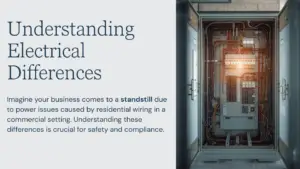
Defining Residential vs. Commercial Electrical Services
When choosing an electrical service, it’s essential to know the difference between residential and commercial expertise. This isn’t just about the types of buildings—it’s about safety, power needs, and long-term property value.
Residential electrical services are designed for:
- Homes
- Apartments
- Condominiums
Commercial electrical services focus on:
- Shops or retail stores
- Offices or commercial suites
- Industrial or warehouse spaces
Identifying the Right Fit: Why the Setting Matters
The core purpose of each service type is tailored to its environment. Residential systems support everyday needs like lighting, appliances, and home technology, typically running on single-phase, 120/240-volt power.
Commercial setups are built for more intensive use, powering machinery, HVAC, computers, and large lighting grids. These sites often use three-phase systems (208V–600V) and higher amp service for greater capacity and efficiency.
“Picture this: An office building powered like a house would shut down at rush hour. Matching the right system to the setting isn’t a luxury—it’s a necessity.”
When to Choose Residential vs. Commercial Services
Knowing which service to call can save time, money, and major frustration. Seek residential electrical help for:
- Light fixture installations or replacements
- Outlet repairs
- Panel upgrades in homes
Choose commercial services if you have:
- Complex lighting retrofits
- Security or data cabling needs
- Energy management or large-scale system upgrades
If you’re a small business owner operating from a house or apartment, you’re still legally obligated to follow the right codes for your property type.
Impact on Safety, Compliance, and Investment
Selecting the right type of electrical expertise is more than just technical—it’s about risk, liability, and peace of mind. Proper service selection affects:
- Insurance eligibility: Insurers may deny claims if improper systems are in use
- Occupant safety: Mismatched services can cause fires, outages, or equipment damage
- Property value: Up-to-code, professional work is a visible selling feature
“Choosing the right electrician is an investment in your property’s future and your family’s safety.”
The Importance of Expertise and Credentials
Residential and commercial electrical codes in the GTA are strict for good reason. Only work with certified, licensed electricians who specialize in your project type. This ensures:
- Full code compliance for insurance and resale
- Efficient troubleshooting that prevents future downtime
- All documentation and permits handled correctly the first time
A trusted local provider, like Daliran Electric, brings over 10 years of experience to every project—backed by transparent pricing and a safety-first approach.
Smart property owners remember: safe and correct service isn’t about quick fixes—it’s about long-term confidence and security. Always identify your property type and call specialists who match your setting and your specific needs.
Power Systems, Voltage, and Load Capacity
Residential vs. Commercial Power: What’s Different?
Residential electrical systems typically use a single-phase, 120/240-volt setup with 100–200 amps powering everything from fridges to smart lighting.
Commercial properties step up to three-phase power, ranging from 208V to 600V, with service sizes often starting at 200 amps and reaching up to 1,000+ amps for warehouses or manufacturing floors.
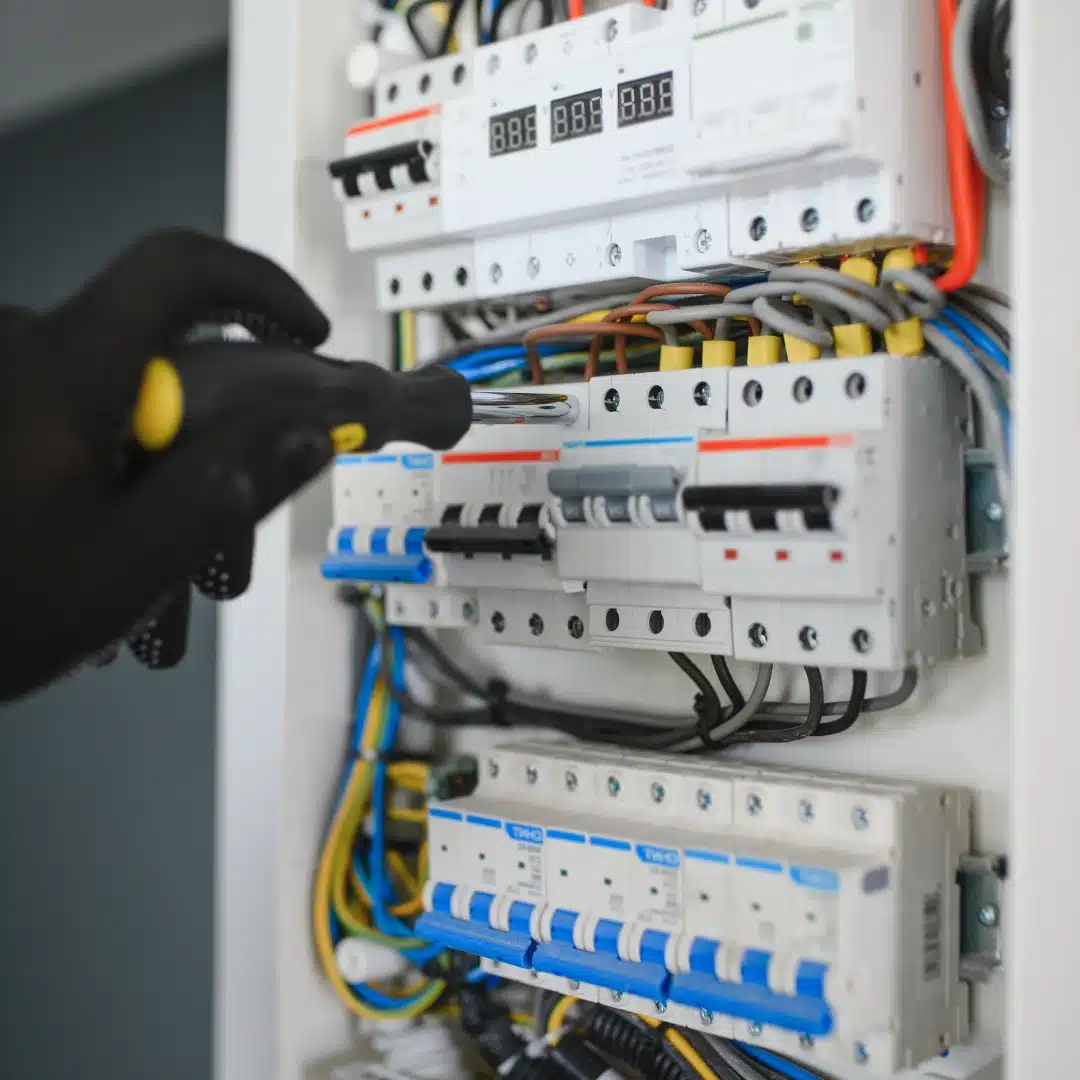
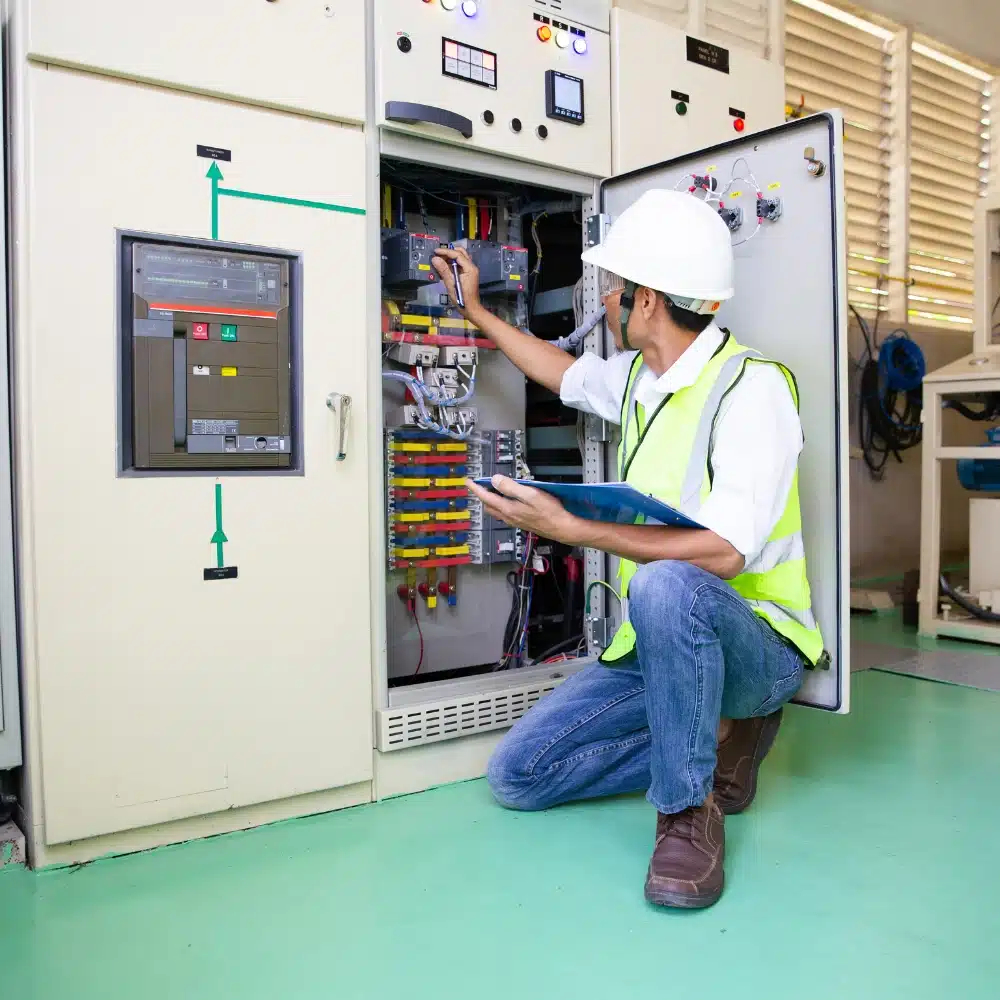
Picture this: A residential panel might look compact and simple—one main breaker, a handful of circuits. By contrast, a commercial panel is larger, more complex, and designed to support fleets of computers, robust climate control, and high-wattage machinery.
Supporting Unique Needs: Appliances vs. Equipment
Homes need power for:
- Everyday appliances (dishwashers, ovens, HVAC, EV chargers)
- Lighting and outlets
- Small-scale entertainment and comfort tech
Business environments demand higher-capacity power for:
- Heavy-duty equipment and motors
- Multiple HVAC systems and commercial refrigeration
- High-intensity lighting across expansive spaces
- Specialized tech like data centers or security systems
A commercial bakery, for example, might have three-phase ovens and mixers. If you used residential wiring here, you’d risk overloads, disruptions, and fire hazards.
Why Proper System Matching Is Essential
If you’re planning a major renovation or expanding your business, knowing your property’s load capacity is non-negotiable.
- Upgrading from 100 amps to 200 amps in a home is common when adding a heat pump or electric vehicle charger.
- Commercial properties often require custom load calculations and new transformers for modern upgrades.
Improper matching—like plugging commercial-grade machinery into a home circuit—can trip breakers, shorten equipment lifespan, or even void insurance.
Visuals and Professional Assessment
Panel photos and service tables highlight the differences:
- Residential panels: 20–40 circuit slots, single-phase wiring
- Commercial panels: 42+ slots, three-phase rails, bundled conduit wiring
A certified electrician can use schematic diagrams and digital tools to assess your system’s real-world capabilities before you invest.
Takeaway
Choosing the right electrical system is about more than “enough outlets”—it’s about safety, efficiency, and peace of mind.
For your next upgrade, always insist on a professional load assessment. The right setup will protect your investment and everyone under your roof or roofline.
Wiring Methods, Design, and Complexity
Wiring is the backbone of any electrical system, and the difference between residential and commercial wiring goes well beyond what’s behind your walls.
Picture this: a home’s wiring looks like branching hallways—straightforward “radial” circuits running from a central panel out to lights and outlets.
In contrast, a commercial space? Imagine a busy city grid—networked or “grid” systems engineered to distribute power flexibly across offices, workshops, showrooms, or even warehouses.
Materials Matter: What’s Behind the Walls
Residential wiring typically uses:
- Romex (non-metallic sheathed cable) for easy runs through walls and ceilings
- Simple conduits only in wet or exposed areas
Commercial wiring demands:
- Armored cable (BX/AC) or conduits throughout for protection and code compliance
- Scalable cable trays for expanding tech and power requirements
The choice of material isn’t just about cost—it’s about futureproofing your investment. Upgrading from Romex to conduit can add longevity and ease future renovations.
Unique Commercial Challenges
Commercial buildings introduce layers of complexity that most homes never see:
- Integrated fire alarm systems
- Networked data cabling for internet and phone
- Security and surveillance wiring routed to control centers
- Heavy-duty connections for HVAC, industrial, or dedicated high-load equipment
Each of these systems must be planned, separated, and labeled meticulously to meet code and keep everyone safe.
Upgrades: What Owners Need to Know
Whether you’re modernizing a home or expanding a business, common electrical upgrades include:
- Panel replacements to boost capacity
- Adding dedicated circuits for appliances or machinery
- Installing safety devices—like arc-fault or GFCI protection
A professional electrician will assess your existing setup and recommend solutions that match your needs.
Reliability and Safety: The Bottom Line
Proper wiring isn’t just technical mumbo-jumbo—it’s your first line of defense against outages, fires, and costly repairs down the road.
The stakes are higher in commercial spaces, where improper wiring can halt business operations or put occupants at risk.
When planning upgrades or repairs, remember: “Well-designed wiring today prevents emergencies tomorrow.”
A careful, code-compliant approach means greater peace of mind whether you’re relaxing at home or managing a bustling office.
Codes, Safety Standards, and Regulatory Differences
Understanding which electrical codes apply is the first step to a safe, successful project—whether you’re rewiring your home or planning a new retail space in the GTA.
Homeowners need to know services in Ontario must meet the Ontario Electrical Safety Code (OESC) and the national NEC standard. For commercial work, there may be additional GTA bylaws or permit requirements that go even further.
Picture this: A small bakery in Toronto planning a kitchen expansion will likely face extra safety steps—like improved ventilation controls or wiring for emergency lighting—while a residential kitchen upgrade sticks to core OESC basics.
The Compliance Checklist: Residential vs. Commercial
Residential projects typically require:
- Basic permits before beginning major electrical work
- Post-installation safety inspections
- Simple documentation for code compliance
Commercial properties must address:
- Complex permitting for large-scale, three-phase power systems
- Regular, sometimes annual, professional inspections
- Thorough documentation, including load calculations, backup power details, and data system layouts
It’s not just paperwork—these steps protect occupants and minimize insurance risk.
Higher Standards for Businesses and Multi-Use Spaces
Because more people use and rely on business buildings, additional standards apply:
- OSHA mandates for worker safety (if you own a business with staff)
- Emergency lighting and exit pathways clearly marked and tested
- Backup power systems for critical operations
- Fire suppression wiring integrated with alarms and building controls
Each of these factors can impact your insurance rates and property value. Missing one could delay occupancy or violate policy terms.
Why Only Certifed, Licensed Electricians Can Guarantee Safety
Choosing a certified, properly insured electrician isn’t just wise—it’s required by law for most projects in the GTA.
When you work with a pro, you gain:
- Signed-off inspection reports for hassle-free insurance claims
- Confidence your home or business is future-proofed for new technology
- Protection from costly fines or failed safety audits
“Think beyond today—investing in proper code compliance means protecting your family, your staff, and your bottom line.”
What to Expect: Homeowner’s Basic Safety Checklist
For a typical residential visit, expect your electrician to:
- Verify your panel matches OESC code
- Test all GFCI and AFCI safety circuits
- Check labeling and documentation for access points
- Inspect all visible wiring for signs of wear, overheating, or tampering
Snap a photo of your checklist being marked off—proof of safety for your records.
By making code compliance your baseline, you not only protect property and people, but you add real value and peace of mind. Choosing certified help means you meet today’s standards—and tomorrow’s upgrades will be even safer and smoother.
Electrician Expertise, Tools, and Professional Requirements
When it comes to electrical work, the right expertise is everything—not just for performance, but for safety and peace of mind.
Residential and commercial electricians are both certified professionals, but their skills and daily challenges are unique.
Distinct Roles: Residential vs. Commercial Specialists
Residential electricians focus on homes, apartments, and condos.
You’ll see them:
- Troubleshooting outlets
- Upgrading electrical panels
- Installing lighting, smart devices, and EV chargers
Commercial electricians tackle businesses, office towers, and industrial sites.
Their projects include:
- Large-scale lighting retrofits
- Emergency power systems
- Complex building automation or energy management upgrades
Picture this: One expert rewires your kitchen; the other keeps an entire office running smoothly during a storm.
Credentials and Rigorous Training
Both must have:
- Ontario trade licenses and up-to-date certifications
- Full insurance and WSIB coverage
- Manufacturer and specialty training for new technologies
Commercial work often requires extra credentials, such as:
- High-voltage system certifications
- Specialized safety protocols for multi-story or hazardous sites
Tools of the Trade: What Sets Them Apart
Residential electricians rely on:
- Basic hand tools and voltage testers
- Wire strippers, drills, and smart device programmers
Commercial electricians need:
- Heavy-duty testing equipment
- Conduit benders and cable pullers
- Panel transformers, thermal imaging, and lift-access gear
Fun fact: You’ll rarely find a residential electrician using a transformer calibrator, but it’s a staple in every commercial toolkit.
Workflows: Solo Projects vs. Big Teams
In homes, a single electrician often handles jobs start to finish.
On commercial jobs, it’s common to see:
- Crew leaders
- Multiple licensed electricians
- Project managers and safety inspectors
Team coordination ensures work stays on schedule, minimizes business disruption, and supports fast troubleshooting.
The Value of Choosing Professional Excellence
Opting for certified, experienced professionals pays off in:
- Fewer emergencies and faster fixes
- Lower long-term repair costs
- Compliance with insurance and safety codes—potentially saving thousands
As shared by Daliran Electric: “Expertise means your power stays on, even when the unexpected happens.”
In short, the right professional makes the difference between a quick fix and lasting safety. Your choice of electrician directly impacts efficiency, liability, and the overall value of your property.
Types of Services and Common Projects
Every electrical job—big or small—has its own standards and technical needs. Knowing the right service type means safer projects, fewer headaches, and real peace of mind.
Homeowners most often call electricians for:
- Outlet repairs and troubleshooting
- Lighting upgrades (LED swaps, recessed lighting, smart switches)
- Panel or service changes (100/200 amps upgrades to meet modern demand)
- Home automation installs, security cameras, and smart doorbells
These residential tasks typically wrap up in a single day, with average costs ranging from $120 for outlet repairs to $2,000+ for major panel upgrades. Picture a snowy Toronto evening when your lights flicker—fast help is only a phone call away.
Common Commercial Projects
Business and industrial properties run on a different scale, often requiring:
- Lighting retrofits for energy savings (think warehouse LEDs or automated office lighting)
- Energy management systems to monitor and control building usage
- Large-scale wiring and panel design for new builds or tenant improvements
- Ongoing maintenance contracts to prevent costly downtime
Many of these jobs involve crews, specialized tools, and phased scheduling. A commercial lighting retrofit, for example, can lower utility bills by 30% or more, and typically spans several days for a mid-sized office.
Trends Changing the Landscape
Both homeowners and businesses are driving new demand for:
- Smart tech integration, with smart thermostats and networked lighting
- EV charger installation—now a must-have in condo parking or retail lots
- Advanced security and backup power solutions due to insurance and safety needs
Data shows EV charger requests in GTA homes have doubled over the past two years. Modern electrical projects are more complex, blending traditional wiring with data, communications, and automation.
When Small Business Needs Shift
Not sure if you need residential or commercial services? Here’s what small business owners in the GTA often face:
- Salon owners in older buildings may require a commercial panel upgrade to safely power high-wattage dryers.
- Ground-floor retail shops often need commercial-grade emergency lighting and code-certified wiring, even in a residential-type space.
- Home-based businesses generally qualify for residential service unless upgrades demand load or specialty systems found in commercial environments.
Choosing the Right Project Help
Choosing the right team for your project ensures:
- Proper permits and safety standards
- Reliable, expert work without hidden costs
- Enhanced property value and insurance compliance
“A well-designed electrical system is the backbone of comfort, convenience, and business continuity.” For tailored advice on your specific project, explore subpages on panel upgrades, smart home installations, and more.
Whatever your need—from outlet fixes to full-scale commercial upgrades—the right expertise clears the way for safer, future-ready results.
Cost, Scheduling, and Project Management
Cost and scheduling are at the core of every electrical project, whether in your home or business. Understanding the differences helps you make smart, confident decisions—before the first wire is ever touched.
Comparing Residential vs. Commercial Cost Structures
Residential electrical jobs are typically priced per job or per task. Homeowners usually get straightforward, fixed pricing for:
- Outlet repairs (average: $150–$300 per outlet)
- Panel upgrades ($1,300–$3,000 for a 100–200 amp panel)
- Lighting installation or upgrades (ranging from $100–$700 per fixture)
Commercial projects involve detailed, customized estimates or bids based on:
- Square footage and building size
- System complexity (three-phase wiring, specialty lighting, fire alarms)
- Higher insurance and permit compliance needs
It’s common for commercial work to start at $3,000 for minor upgrades and rise well into the tens of thousands for full system installations.
“Commercial electrical jobs require precise, formal bids—not ballpark quotes.”
Timelines: Speed vs. Phased Execution
Residential repairs are often completed within a single day—most emergency calls are resolved in hours, with minimal disruption.
Commercial projects follow phased rollouts to coordinate with construction schedules, inspections, and business operating hours:
- Retail lighting retrofits: typically 2–5 business days
- Office rewiring or panel changes: anywhere from 1–4 weeks, depending on scope
You’ll see a clear contrast: homeowners expect speed and convenience, while business owners rely on detailed planning and minimal downtime.
“Think of commercial work as a chess game—schedule, safety, and access all move together.”
What Drives Pricing? Key Factors to Watch
Electrical costs can shift quickly based on a few main factors:
- Material choices: Premium switches, LED lighting, copper vs. aluminum wire
- Project size and access: Larger spaces, hard-to-reach wiring, or high ceilings increase labor
- Regulatory needs: Commercial code compliance, permits, inspections, and insurance add to project timelines and price
- Emergency/after-hours service: These can double or triple base rates
Picture this: A straight swap of five outlets at home—done in 3 hours. A commercial fire alarm upgrade, however, includes overnight shifts and coordination with multiple contractors.
Choosing Your Contractor: Questions and Red Flags
Choosing the right electrician makes all the difference. Always ask:
- Are you fully licensed and insured for this type of project?
- Can you provide a detailed, written estimate with a clear scope of work?
- How do you handle changes, unexpected repairs, or emergency calls?
- What warranties or guarantees are included with your service?
Avoid anyone who hesitates to explain costs, won’t provide proper documentation, or makes you feel rushed. Transparent billing and clear communication are non-negotiable.
“The best electricians say what they’ll do, then document every step for your peace of mind.”
For GTA property owners, the right fit combines expertise, integrity, and zero-surprise invoices. Prioritize companies known for their credentials, consistent communication, and reliable, customer-first approach—so every project finishes on time, on budget, and up to code.
Making the Right Choice: Insights for GTA Property Owners
Choosing between commercial and residential electrical services can feel like a big decision—but getting it right is crucial for your property’s safety, compliance, and value.
Picture this: You’re planning an office expansion in downtown Toronto or thinking about rewiring your 1950s bungalow in Etobicoke. The differences between these projects go far beyond the size of the space.
How to Know Which Service You Need
For homeowners and small business owners alike, your project’s scope and demands determine which expertise is essential.
Look for these clear signs you need commercial electrical expertise:
- You’re upgrading power supply beyond 200 amps
- Installing or servicing three-phase systems (208-600V)
- Projects require backup generators, industrial HVAC, or specialty lighting
- Need for large-scale security, fire alarms, or data cabling
- Tenant buildouts, multi-office retrofits, or major renovations
Residential specialists are ideal for:
- Standard outlets, lighting, and panel upgrades
- Smart home tech integration and EV charger install
- Quick repairs, troubleshooting, and moderate remodels
The Value of Professional, Local Expertise
Daliran Electric brings ten years of trusted experience across the GTA—serving both homes and the region’s busiest businesses.
Our team is:
- Fully certified and insured for both residential and commercial work
- Committed to strict safety standards that exceed code
- Focused on clear, honest communication and no-surprise billing
Every electrician undergoes ongoing training to stay current with evolving codes and technology—meaning your project always meets the latest requirements.
Building Trust and Future-Readiness
The right partner helps you avoid costly mistakes, keep insurance valid, and maintain property value.
Daliran Electric offers:
- Fast response times across the GTA
- Access to the latest methods in energy efficiency and automation
- Safety-first approach for every project, big or small
Explore subpages for in-depth guides on panel upgrades, energy management, and custom lighting for homes and businesses.
When you’re ready to power your project with expertise, choose a provider that puts integrity and safety first—because every connection matters.
FAQ
-
What is the difference between commercial and residential electrical services?
The difference between commercial and residential electrical services lies in the system requirements and installation standards. Residential services typically use single-phase, 120/240V systems, while commercial services often require three-phase systems (208-600V) and greater capacity to support heavy equipment and advanced technology. -
Why do commercial electrical services require more inspections?
Commercial projects demand stricter inspections due to higher power demands, complex wiring systems, and the need for compliance with detailed codes and regulations. This ensures safety and minimizes operational risks for businesses. -
Can I hire a residential electrician for my commercial space?
It’s crucial to hire a commercial electrician for business spaces due to the difference between commercial and residential electrical services. Commercial electricians are trained to handle higher power demands, more complex systems, and compliance with business-specific codes. -
What type of wiring is used in commercial buildings?
Commercial electrical services require armored cable or conduit, which is more durable and designed to meet stricter building codes compared to the Romex wiring commonly used in residential spaces. -
How does choosing the right electrical service provider impact my business?
Choosing the right electrical service provider ensures your commercial property meets compliance standards, reduces downtime, and improves safety. Licensed professionals also offer transparency in pricing and project timelines, minimizing costly errors and delays.
Conclusion
Choosing the right electrical service—whether residential or commercial—sets the foundation for your property’s safety, future value, and uninterrupted comfort. You deserve both peace of mind and practical results every time a technician steps through your door.
Expertise matters. By matching your project to specialized professionals and upholding the highest standards, you not only safeguard your investment but also set your home or business up for long-term success.
—
Takeaways for Smart Property Owners:
- Always work with licensed, certified electricians who specialize in your specific project—don’t settle for less.
- Clarify your property’s service requirements (single-phase vs. three-phase, amperage, special systems) before any work begins.
- Insist on transparent pricing and clear documentation to keep projects on track and avoid hidden costs.
- Make safety and code compliance your non-negotiables—they’re the real bottom line.
- Invest in regular electrical assessments to future-proof your space and unlock efficiency upgrades when you need them most.
—
Your Next Steps:
- Reach out to a trusted local provider—like Daliran Electric—for a professional assessment tailored to your home or business.
- Ask for references and proof of certification, and review written estimates before approving work.
- Schedule a safety inspection or consult on upcoming renovations or expansions—even small upgrades matter.
- Bookmark or share this guide so your network stays informed and empowered.
—
Every connection, every outlet, every upgrade shapes the security and future of your property.
Choose excellence, demand transparency, and never compromise on safety—because in your space, power should always mean peace of mind.
Let expertise power your world, today and tomorrow.