
Dealing with flickering lights and Fix Voltage Flickering in Toronto’s heritage homes can be both frustrating and concerning. As aging electrical systems face modern power demands, understanding the root causes of flickering lights becomes crucial for homeowner safety and peace of mind. Let’s explore professional solutions for this common old house challenge.
Understanding Old House Wiring Systems
Toronto’s historic homes represent a fascinating timeline of electrical evolution, with each era presenting distinct wiring configurations that directly impact modern-day lighting stability. In these cherished vintage properties, particularly those in established neighborhoods like Rosedale, The Annex, and Cabbagetown, the electrical infrastructure tells a story of technological progression.
Knob-and-tube wiring, predominantly found in pre-1940s Toronto homes, features distinctive ceramic knobs that anchor wires along floor joists and wall studs. While this system was revolutionary for its time, it lacks the grounding capabilities essential for today’s electrical demands. Homeowners with knob-and-tube installations often notice intermittent light flickering, especially during peak usage hours or when operating multiple modern appliances.
The 1960s and 1970s brought aluminum wiring to many Toronto residences, particularly in expanding suburban areas. This material, while cost-effective during the copper shortage, poses unique challenges. Aluminum’s tendency to oxidize and expand/contract with temperature changes can lead to loose connections at outlets and fixtures, manifesting as persistent light flickering. Professional inspection of these connections is crucial, as improper maintenance can create serious safety concerns.
Many historic Toronto homes now feature mixed wiring systems, where modern copper installations coexist with original configurations. This hybridization, while necessary for updating electrical service, can create compatibility issues that contribute to unstable lighting. The interaction between different wiring materials and varying electrical loads requires careful assessment to maintain system integrity.
Understanding your home’s specific wiring legacy is fundamental to addressing flickering lights effectively. Heritage homes in Toronto often retain original electrical elements alongside subsequent modifications, creating a layered system that demands specialized knowledge. When investigating flickering issues, considering the age-specific characteristics of your home’s wiring provides crucial context for proper diagnosis and resolution.
Voltage fluctuations in older homes can be particularly pronounced due to the limitations of historic wiring designs. Contemporary LED bulbs, while energy-efficient, may exhibit more noticeable flickering on these aging circuits compared to traditional incandescent bulbs. This sensitivity often serves as an early indicator of underlying electrical system stress.
For Toronto homeowners in vintage properties, recognizing these distinct wiring characteristics helps frame the broader context of lighting stability issues. The unique challenges presented by each era’s electrical standards continue to influence how modern lighting performs in these cherished historic spaces.
Common Causes of Flickering Lights
In Toronto’s heritage homes, flickering lights often tell a deeper story about your electrical system’s health. As licensed electrical professionals serving the GTA’s vintage properties, we regularly encounter these unsettling symptoms across numerous historic neighborhoods, from Cabbagetown to The Annex.
Loose or corroded electrical connections represent one of the most prevalent causes of flickering lights in Toronto’s older homes. These issues typically develop in junction boxes, outlets, and switch locations where decades of thermal cycling have gradually loosened critical connections. In pre-war homes particularly, the original wiring connections may have degraded due to Toronto’s seasonal temperature fluctuations and humidity levels.
Modern appliance usage in historic Toronto homes presents another significant challenge. When your century home’s electrical system encounters demands from contemporary devices like air conditioners, electric ranges, or even multiple smart devices, the increased load can manifest as visible light fluctuations. These overloaded circuits are particularly common in homes built before 1950, where the original electrical system wasn’t designed for today’s power requirements.
The presence of outdated wiring infrastructure continues to be a critical concern across Toronto’s older residential areas. Many vintage homes still rely on electrical systems that, while functional, struggle to meet current electrical demands. When your heritage home’s wiring becomes overtaxed, it may exhibit signs of stress through intermittent lighting issues, especially during peak usage hours.
External factors unique to Toronto’s urban environment also play a significant role. The city’s expanding infrastructure and growing power demands can create grid fluctuations that particularly affect older homes. These variations often become more noticeable during extreme weather events or periods of high electrical consumption across the neighborhood.
Aging service panels, commonly found in Toronto’s historic properties, can contribute to unstable power delivery throughout your home. These panels may have limited capacity or worn components that struggle to maintain consistent voltage levels, resulting in visible lighting irregularities. Houses in areas like Riverdale or Roncesvalles, where many homes date back to the early 1900s, frequently experience such panel-related issues.
Dimmer switches installed in vintage homes present their own set of challenges. Older or incompatible dimming systems may not properly regulate current flow, especially when paired with modern LED bulbs. This mismatch often results in noticeable flickering that can be particularly apparent during evening hours.
Understanding the interconnected nature of these issues is crucial for Toronto homeowners. For instance, what appears as simple light flickering in your Beaches Victorian home might indicate an overloaded circuit combined with aging wiring connections. Similarly, fluctuations in your High Park heritage property could stem from both external grid influences and internal wiring limitations.
Weather patterns specific to Toronto’s climate can exacerbate existing electrical issues. During winter storms or summer humidity spikes, expanded or contracted wiring connections may further deteriorate, leading to more pronounced flickering episodes. These seasonal patterns often reveal underlying electrical system vulnerabilities that require professional attention.
Identifying these various causes requires a systematic approach, considering both the age of your home’s electrical components and the specific patterns of light fluctuation. As we’ll explore in the next section, documenting these symptoms helps create a clear picture of your home’s electrical health, enabling more targeted solutions for your vintage Toronto property.
DIY Assessment Steps to Fix Voltage Flickering
Before diving into professional electrical repairs for your heritage Toronto home, a systematic DIY assessment can provide valuable insights into your flickering light issues. Documenting these observations helps create a clear picture of the problem’s nature and scope, essential for both homeowners and electrical professionals.
Step-by-Step Observation Process
Start by creating a detailed log of when and where flickering occurs in your vintage Toronto property. Note specific times of day, weather conditions, and duration of flickering episodes. Are the issues more pronounced during peak evening hours when neighborhood power consumption is highest? This pattern could indicate grid-related fluctuations common in older Toronto neighborhoods.
Location and Fixture Mapping
Methodically document which lights are affected throughout your historic home. Are the flickering lights:
- Concentrated in one area or spread throughout the house?
- Limited to original fixtures or affecting newer installations?
- More noticeable in high-wattage fixtures?
- Occurring in both ceiling fixtures and wall sconces?
Appliance Usage Correlation
In Toronto’s century homes, outdated electrical systems often struggle with modern power demands. Monitor whether flickering coincides with:
- Running your HVAC system or space heaters
- Operating large kitchen appliances
- Using multiple devices on the same circuit
- Starting up power-hungry equipment
Visual Inspection Guidelines
While maintaining safe distances, examine accessible parts of your home’s electrical system:
- Look for discolored switch plates or outlets (signs of potential issues)
- Check for loose fixture connections
- Observe any exposed wiring in unfinished spaces like basements
- Note any burning odors or unusual sounds
Safety Notice: When conducting these assessments in your vintage Toronto home, never remove electrical covers or attempt to access wiring. Keep your investigation to visible, external components only.
Documentation Best Practices
Create a comprehensive record including:
- Dates and times of flickering incidents
- Digital photos of affected fixtures
- Lists of simultaneously operating appliances
- Notes about any recent electrical work or renovations
This systematic approach to troubleshooting flickering lights in your old Toronto house provides essential information for professional electricians. Remember, while DIY assessment is valuable, electrical issues in heritage homes often require expert intervention to ensure safety and code compliance.
Pro Tip: Consider creating a simple floor plan marking affected fixtures and noting the age of various electrical components. This visual aid can help electricians quickly understand your home’s electrical layout and potential problem areas.
Your thorough documentation will streamline the diagnostic process when professional help arrives, potentially reducing service time and ensuring more accurate solutions for your vintage home’s electrical challenges.
Professional Solutions and Upgrades
After conducting initial assessments of your heritage home’s electrical symptoms, engaging licensed Toronto electrical professionals becomes essential for implementing lasting solutions to flickering lights. Vintage homes in Toronto’s established neighborhoods often present unique challenges that require specialized expertise and systematic upgrades.
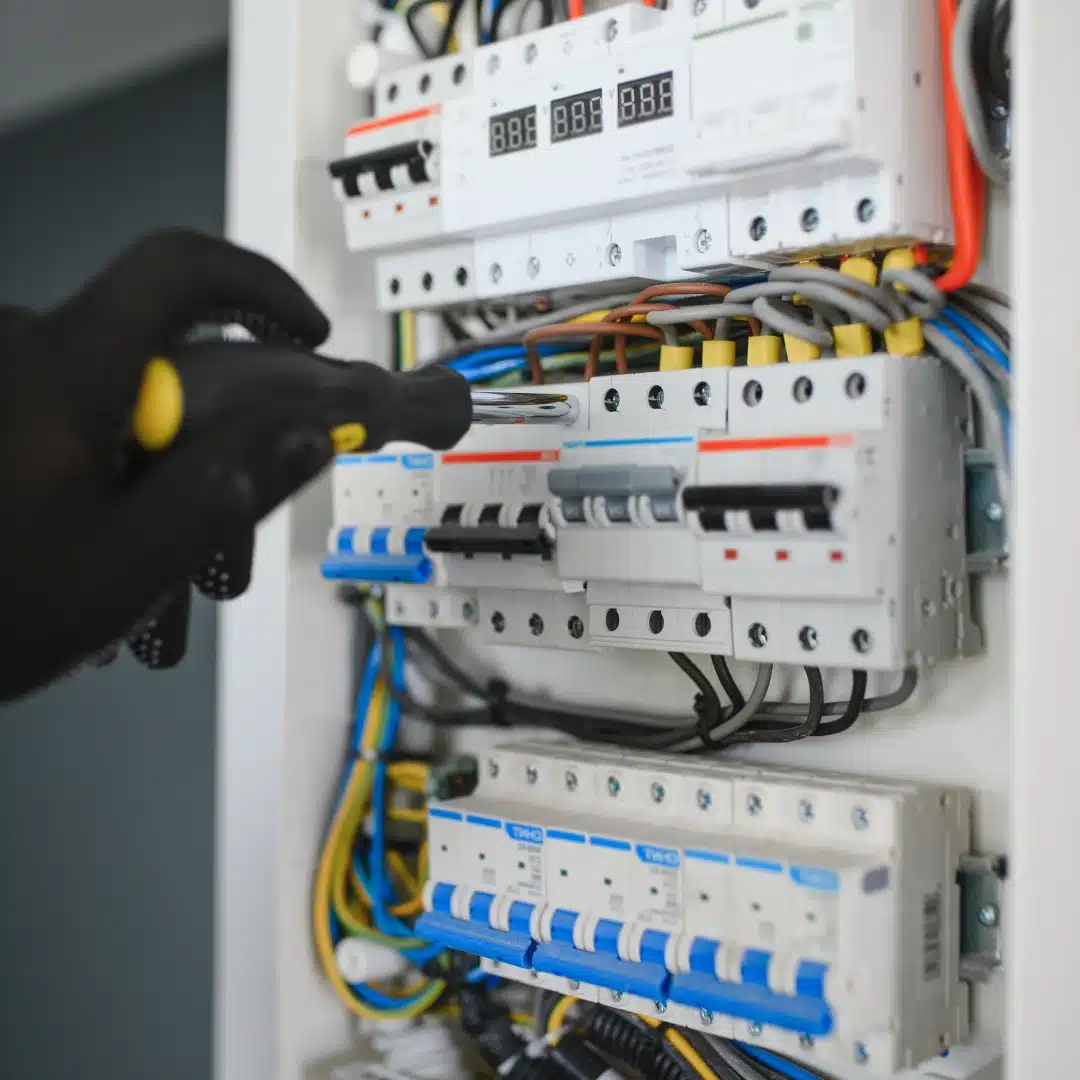
A comprehensive electrical system inspection by certified technicians begins with analyzing your home’s existing infrastructure. Professional electricians will trace the original wiring pathways, identify outdated knob-and-tube systems common in Toronto’s century homes, and evaluate connection points that may have degraded over decades of service. This detailed assessment often reveals multiple contributing factors to lighting instability in older properties.
Strategic wiring upgrades typically focus on the most problematic areas first, particularly in sections where aluminum wiring meets copper or where old fabric-insulated cables show signs of deterioration. In Toronto’s historic homes, partial rewiring can often resolve flickering issues while preserving original architectural features. Professional electricians carefully route new circuits through existing walls and upgrade essential connections without unnecessary disruption to period details.
Proper grounding system installation stands as a critical component in stabilizing vintage home electrical systems. Many Toronto heritage properties were built before modern grounding requirements, leading to irregular voltage patterns and persistent flickering. Licensed professionals can implement proper grounding solutions that meet current Ontario Electrical Safety Code standards while respecting the integrity of your historic home’s structure.
Upgrading to modern circuit breakers represents another vital step in resolving flickering lights. Older homes often rely on outdated fuse boxes or early-generation circuit breakers that may not adequately regulate power flow. Professional electricians can install smart circuit breakers that provide consistent voltage regulation and enhanced protection against power fluctuations common in Toronto’s older neighborhoods.
Beyond these core solutions, experienced electricians often recommend installing dedicated circuits for major appliances, preventing their operation from affecting lighting stability. Voltage stabilizers and surge protectors can also be strategically placed to maintain consistent power delivery throughout your vintage home’s electrical system.
When dealing with Toronto’s historic properties, professional electricians often coordinate with heritage preservation experts to ensure electrical upgrades align with conservation guidelines. This collaborative approach helps maintain your home’s historical value while delivering modern electrical reliability. Licensed professionals can also provide documentation of upgrades for insurance purposes and future home valuations.
Addressing flickering lights through professional solutions not only resolves immediate concerns but also futureproofs your heritage home’s electrical system. Modern upgrades, when properly implemented, can significantly extend the lifespan of your electrical infrastructure while preserving the unique character of your Toronto vintage property.
Always ensure your electrical contractor is licensed by the Electrical Safety Authority (ESA) and has specific experience with Toronto’s heritage homes. Professional solutions should comply with both current safety standards and heritage preservation requirements.
Conclusions
Addressing flickering lights in old Toronto houses requires a balanced approach between preserving historic charm and ensuring modern electrical safety. While some issues may have simple solutions, others might need professional intervention. Regular maintenance and timely upgrades are key to maintaining stable lighting in vintage homes.
learn more …
Troubleshooting Common Lighting Issues: Flickering, Buzzing, and Dimming
Why Do My Lights Keep Flickering? Causes and Solutions –
The Ultimate Guide to Electrical Troubleshooting for Toronto Homeowners –