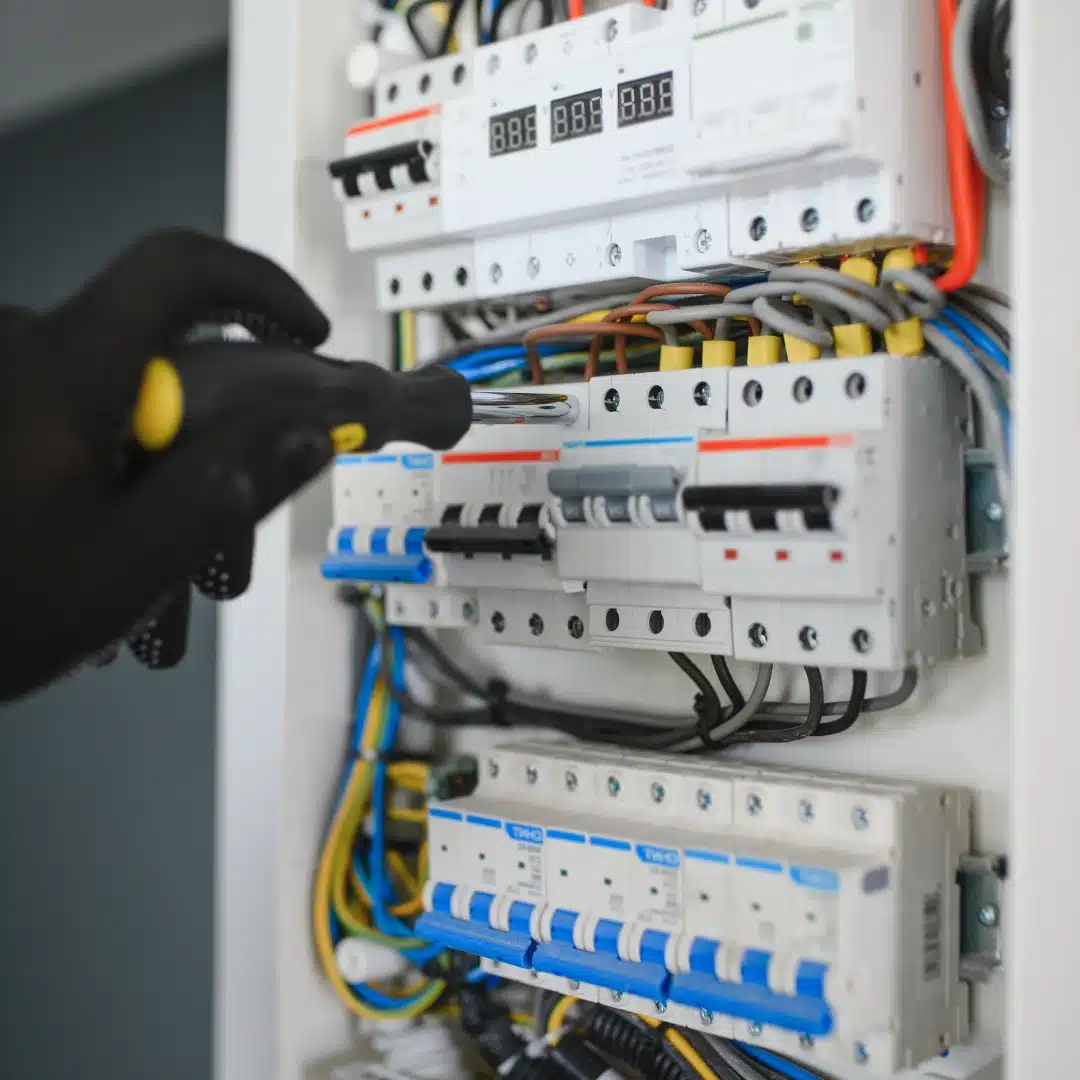


 Discover the transformative world of house electric systems, where innovation meets comfort. From energy-efficient heat pumps to smart central heating solutions, modern electrical technology offers homeowners reliable, sustainable options for maintaining optimal indoor temperatures year-round.
Understanding Modern Electric Heat Solutions
Electric technology has transformed the landscape of residential climate control, introducing sophisticated solutions that merge comfort with cutting-edge efficiency. Today’s house electric systems represent a quantum leap from traditional methods, offering homeowners unprecedented control over their indoor environment. Modern installations harness the power of smart technology, enabling precise temperature management across multiple zones while optimizing energy consumption.
At the forefront of this evolution are advanced heat pump systems, which have emerged as versatile climate management solutions. These innovative units excel in both heating and cooling operations, extracting thermal energy from the outdoor air even in colder temperatures. The latest models maintain impressive efficiency at temperatures as low as -25°C, making them viable options for diverse climate zones across the GTA. Integration with smart temperature control systems allows these heat pumps to automatically adjust their operation based on real-time weather data and household patterns.
Electric central configurations have also undergone significant advancement, incorporating modulating elements that adjust output based on demand. These systems now feature multi-stage capabilities, allowing for gradual temperature increases that eliminate the energy waste associated with traditional on-off cycles. Enhanced with smart controllers, modern electric furnaces can maintain temperature consistency within half a degree of the desired setting, ensuring optimal comfort while minimizing energy consumption.
The implementation of smart thermostats has revolutionized how homeowners interact with their heating systems. These sophisticated devices learn from user preferences and daily routines, automatically creating heating schedules that maximize comfort while reducing energy costs. Advanced models offer remote control through smartphone apps, enabling users to adjust settings from anywhere. Zone control capabilities have become increasingly sophisticated, allowing different areas of the home to maintain independent temperature settings, eliminating the waste of heating unused spaces.
Radiant solutions have evolved to offer superior comfort and efficiency. Modern electric floor systems utilize ultra-thin heating elements that can be installed under virtually any flooring material. These systems provide consistent warmth from the ground up, eliminating cold spots and drafts common with forced-air systems. The latest innovations in radiant ceiling panels combine efficient heating with sleek, unobtrusive designs that complement contemporary home aesthetics.
Integration capabilities stand as a defining feature of modern electric solutions. Today’s systems seamlessly connect with home automation platforms, enabling coordination with other smart home components. Occupancy sensors can automatically adjust in different zones, while integration with smart meters allows systems to optimize operation during off-peak rate periods. Some advanced setups even incorporate predictive analytics, adjusting patterns based on weather forecasts and historical usage data.
The emergence of hybrid systems represents another significant advancement in residential technology. These innovative configurations combine electric with other technologies, such as solar thermal systems or thermal storage solutions. This integration allows homeowners to maximize the use of renewable energy sources while maintaining reliable capacity during peak demand periods. Smart controllers automatically select the most efficient source based on current conditions and energy costs.
Electric thermal storage (ETS) systems have gained prominence as an energy-efficient solution for residential. These units heat ceramic bricks or other high-density materials during off-peak hours, storing thermal energy for release when needed. This approach not only reduces operating costs but also helps balance grid demand, making it an increasingly popular choice for environmentally conscious homeowners.
As we continue to embrace smart home technology, the future of house electric systems looks increasingly sophisticated. Manufacturers are developing systems with artificial intelligence capabilities that can predict household needs with remarkable accuracy. These innovations, combined with ongoing improvements in energy efficiency and control precision, are setting new standards for residential climate management.
Benefits of Electric Home Heating
Modern residential electric has transformed the landscape of home comfort, offering homeowners unprecedented advantages that align perfectly with today’s lifestyle demands. These sophisticated house electric systems represent a significant leap forward in domestic climate control technology, delivering exceptional benefits that extend far beyond basic warmth.
The precision of temperature control stands as a hallmark feature of contemporary electric heating solutions. Unlike traditional heating methods, these systems respond instantly to adjustments, maintaining exact temperature settings within fractions of a degree. This level of accuracy not only enhances comfort but also contributes to optimal energy utilization, ensuring that every kilowatt of power translates to effective home warming.
Environmental consciousness plays a pivotal role in the growing adoption of electric home systems. With zero direct emissions, these installations create cleaner indoor environments while supporting broader sustainability goals. The absence of combustion processes eliminates the risks associated with carbon monoxide and other harmful byproducts, making electric an increasingly attractive option for environmentally aware homeowners.
The minimal maintenance requirements of residential heating systems powered by electricity present another compelling advantage. Without the complex mechanical components found in traditional heating systems, electric solutions operate with remarkable reliability, requiring only basic periodic checks. This translates to reduced maintenance costs and enhanced peace of mind for homeowners.
The whisper-quiet operation of modern electric solutions contributes significantly to home comfort. Unlike conventional systems with noisy furnaces or boilers, electric works silently, creating a more peaceful living environment. This characteristic proves particularly valuable in bedrooms and study areas where quiet is essential.
Perhaps most significantly, home electric systems seamlessly integrate with renewable energy sources, positioning themselves at the forefront of sustainable home technology. Homeowners can pair their systems with solar panels or wind energy, creating an eco-friendly solution that reduces both carbon footprint and energy costs. This compatibility with green energy sources ensures that electric systems remain future-proof as energy technologies continue to evolve.
The versatility of electric installations extends to their adaptability across various home layouts and requirements. Whether retrofitting an existing property or designing a new construction, these systems offer flexible solutions that can be tailored to specific spatial and thermal needs. From compact apartments to sprawling residences, electric provides consistent, efficient warmth throughout any living space.
As energy grids become increasingly powered by renewable sources, the environmental benefits of residential electric continue to multiply. This evolution in power generation, combined with the inherent efficiency of electric, creates a synergistic relationship that pushes home technology toward a more sustainable future. The result is a solution that not only meets current comfort demands but also aligns with long-term environmental responsibility.
Advanced electric technology also supports zonal strategies, allowing homeowners to heat different areas of their homes according to specific needs and schedules. This targeted approach to climate control not only enhances comfort but also contributes to energy efficiency by preventing unnecessary heating of unused spaces.
Smart Controls and Energy Management
Based on the brand guidelines and research, here’s the chapter:
The landscape of residential climate control has been revolutionized by digital management systems, marking a significant advancement in house electric technology. These advanced controls seamlessly integrate with your home’s electrical infrastructure, delivering unprecedented convenience and efficiency in maintaining your ideal indoor climate.
Modern smart thermostats serve as the command center of your home’s electric heating system, offering intuitive smartphone integration that puts complete temperature control at your fingertips. Whether you’re returning from work or away on vacation, you can adjust your home’s warmth remotely, ensuring comfort upon arrival while avoiding unnecessary energy consumption during your absence.
The sophistication of contemporary electric control extends to multi-zone capabilities, allowing homeowners to create personalized comfort zones throughout their residence. Each room can maintain its optimal temperature independently, addressing specific needs – whether it’s a cooler bedroom for sleeping or a warmer living room for evening relaxation.
Real-time energy consumption monitoring transforms how homeowners understand and manage their heating expenses. Smart displays provide detailed insights into usage patterns, costs, and efficiency metrics, empowering informed decisions about heating schedules and temperature settings. These systems can even suggest optimization strategies based on your household’s unique heating patterns and preferences.
Perhaps most impressive is the integration of automated efficiency optimization. Advanced algorithms learn from your daily routines and preferences, automatically adjusting temperatures to maximize comfort while minimizing energy waste. The system can detect open windows, occupancy patterns, and even factor in local weather forecasts to fine-tune your home’s performance.
Electric heating control systems now feature adaptive recovery technology, which calculates the optimal time to begin heating your space to reach desired temperatures at programmed times. This predictive heating capability ensures your home achieves the perfect temperature exactly when needed, eliminating the inefficiency of traditional manual scheduling.
The seamless integration with other smart home devices enhances the functionality of your system. Voice control compatibility allows for hands-free temperature adjustments, while integration with smart window coverings and occupancy sensors creates a holistic approach to climate management. These interconnected systems work in concert to maintain optimal comfort while maximizing energy efficiency.
For ultimate convenience, many modern systems offer geofencing capabilities, automatically adjusting your home’s temperature based on your physical location. This means your house can begin warming up as you leave the office, ensuring a cozy welcome home without wasting energy while you’re away. The intuitive interfaces of these smart controls make it simple for any family member to understand and manage their comfort preferences, while advanced security features protect your system from unauthorized access.
The intelligence built into today’s management systems extends to preventative maintenance alerts and performance monitoring. These systems can detect potential issues before they become problems, recommend filter changes, and even schedule professional maintenance when needed, ensuring your system operates at peak efficiency year-round.
Conclusions
House systems represent the future of residential climate control, offering unparalleled efficiency and control. By embracing these advanced solutions, homeowners can enjoy consistent warmth while supporting environmental sustainability and managing energy costs effectively.
Green Wave Distribution – A detailed guide on the best electric heating systems for homes, including radiant floor heating and infrared zone heaters.
BestHeating – An in-depth article on modern electric heating, comparing different systems and their efficiency.
FAQs
1. What makes modern house electric heating systems different from traditional heating?
Modern house electric heating systems use smart technology, zone controls, and advanced heat pumps that operate efficiently even in extreme weather. Unlike traditional systems, modern house electric heating systems optimize energy use while maintaining precise comfort.
2. Are modern house electric heating systems energy efficient?
Yes. Modern house electric heating systems feature multi-stage elements, radiant solutions, and thermal storage options designed to reduce waste. Many models integrate with renewable energy, making modern house electric heating systems both efficient and eco-friendly.
3. Can modern house electric heating systems work in very cold climates?
Absolutely. Advanced heat pump technology allows modern house electric heating systems to function at temperatures as low as -25°C. This makes modern house electric heating systems viable for homes across Canada and other cold regions.
4. Do modern house electric heating systems require a lot of maintenance?
No. Modern house electric heating systems are known for minimal maintenance because they have fewer mechanical parts compared to gas or oil systems. Most only require basic inspections, keeping modern house electric heating systems reliable year-round.
5. How do smart controls improve modern house electric heating systems?
Smart thermostats and multi-zone controls allow modern house electric heating systems to adjust automatically based on occupancy, weather, or time of day. This makes modern house electric heating systems convenient, cost-saving, and highly personalized.