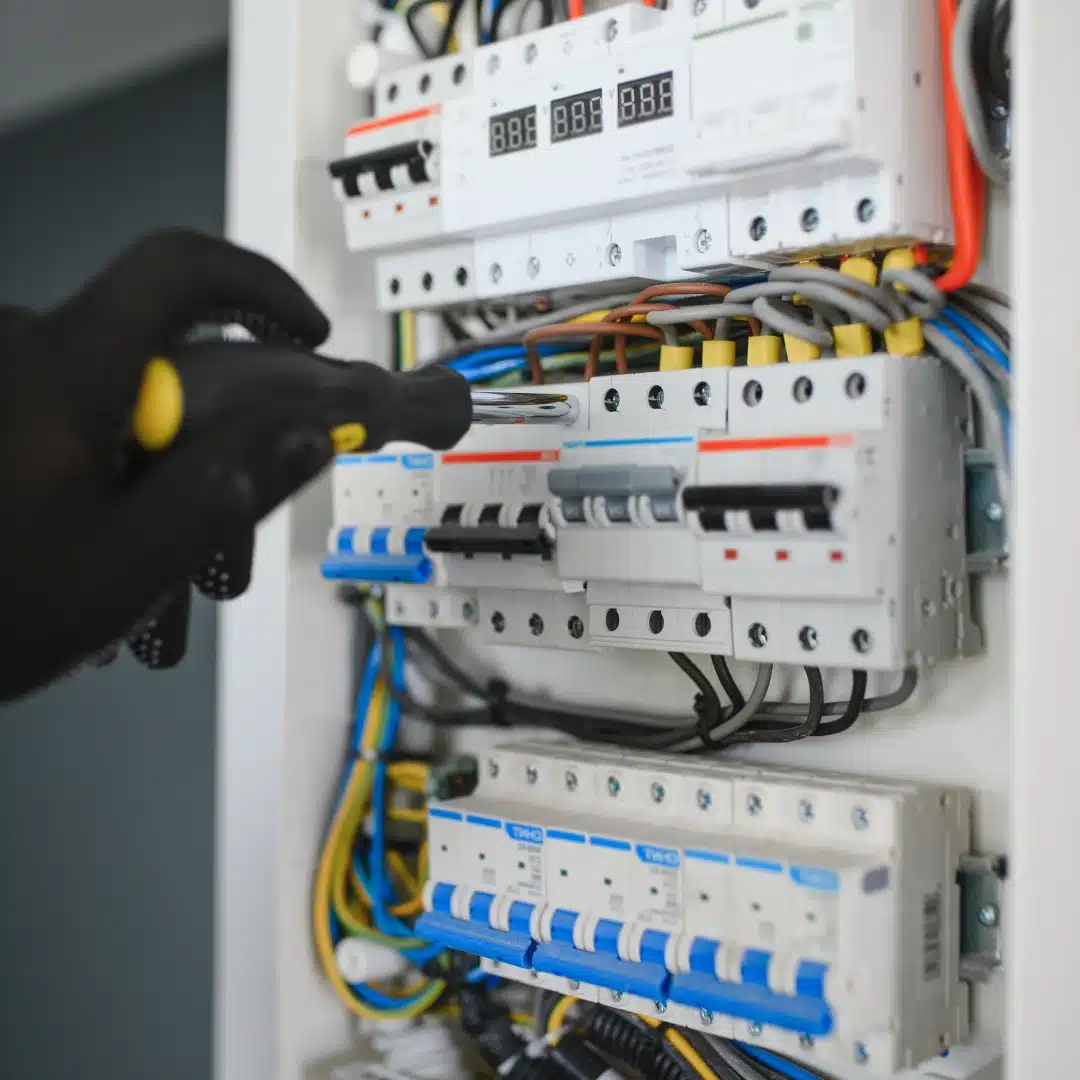

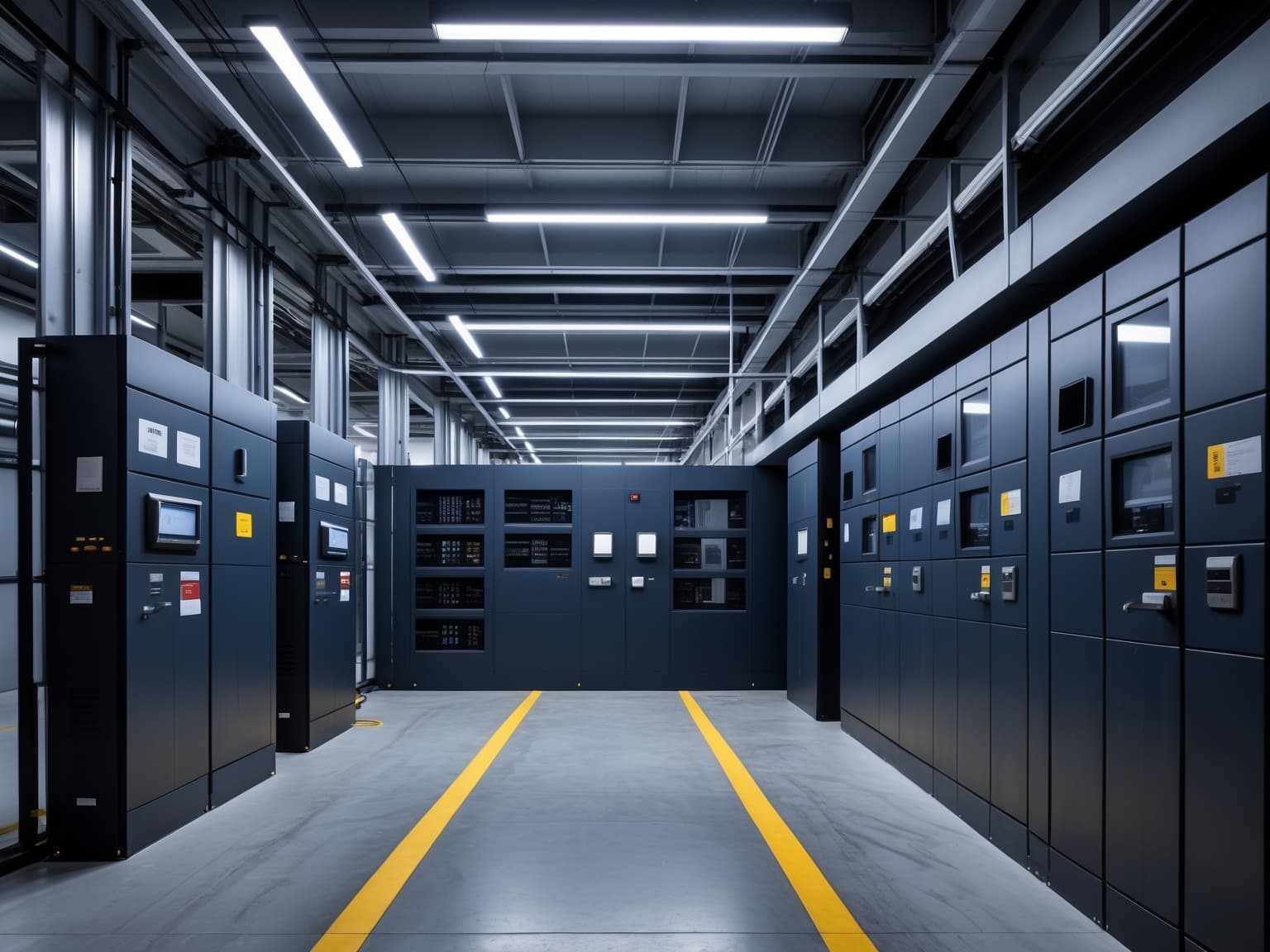
Modernizing Industrial Power Systems is essential as commercial electrical service upgrades for industrial facilities in the GTA become increasingly crucial with evolving manufacturing demands. Modern industrial operations require robust power systems that can handle advanced machinery, automated processes, and enhanced safety protocols while maintaining optimal efficiency and reliability.
Planning Your Industrial Electrical Upgrade
In today’s rapidly evolving manufacturing landscape across the Greater Toronto Area, modernizing industrial power systems begins with a comprehensive electrical upgrade assessment—this forms the cornerstone of successful industrial modernization. Forward-thinking facility managers recognize that thorough power system evaluation is not only about addressing current operational demands but also about future-proofing infrastructure for tomorrow’s challenges and emerging technologies.
Power Requirement Analysis
A meticulous power requirement assessment is the first critical step in modernizing industrial power systems. It begins with detailed energy consumption mapping of your GTA industrial facility. Modern manufacturing operations demand increasingly sophisticated electrical systems to support advanced automation, precision equipment, and smart manufacturing processes. Our certified commercial electrical contractors analyze historical usage patterns, peak demand periods, and seasonal variations to establish a robust baseline for your facility’s electrical needs. This data-driven approach ensures your upgraded power system will efficiently handle both current operations and anticipated expansion plans, enabling seamless modernization.
Strategic Load Calculation
Industrial facility upgrades in the GTA require precise load calculations that account for every operational aspect. This includes examining motor loads, lighting systems, HVAC requirements, and specialized manufacturing equipment. Our detailed load analysis encompasses:
-
Equipment startup sequences and associated power surges
-
Concurrent operation scenarios
-
Power factor correction needs
-
Reserve capacity requirements
Such thorough calculations are essential to modernizing industrial power systems by designing reliable, scalable, and efficient electrical networks tailored to your facility’s unique demands.
Infrastructure Evaluation
Your existing electrical infrastructure serves as the foundation for any upgrade planning. Our commercial electrical service team conducts comprehensive assessments of:
-
Main service entrance capacity
-
Distribution panel conditions
-
Wiring system integrity
-
Grounding and bonding systems
-
Thermal imaging to identify potential trouble spots
This evaluation identifies any weaknesses or safety risks that could compromise the performance and reliability of your modernized industrial power systems, ensuring a solid foundation for upgrades.
Capacity Planning for Growth
Manufacturing facilities in the GTA must plan for future expansion while maintaining optimal current operations. Our approach to capacity planning for modernizing industrial power systems involves:
-
Scalable power distribution solutions
-
Modular system designs accommodating future additions
-
Strategic redundancy planning for operational resilience
-
Energy efficiency considerations to reduce costs and environmental impact
These measures provide the flexibility and robustness necessary for sustained growth in a competitive industrial market.
Regulatory Compliance Integration
Industrial electrical upgrades must comply with Ontario Electrical Safety Code requirements and local GTA regulations. Our assessment process includes:
-
ESA compliance verification
-
Permit requirement identification
-
Safety standard adherence review
-
Documentation of necessary certifications
Additionally, energy efficiency standards and environmental regulations are integral to our planning process. We ensure your electrical service upgrade not only meets current legal requirements but anticipates upcoming regulatory changes, safeguarding your facility’s compliance and operational integrity.
By integrating advanced power monitoring capabilities and smart distribution systems, your upgraded infrastructure will support the adoption of Industry 4.0 technologies—crucial for modernizing industrial power systems and maintaining competitive advantage.
Essential Components of Industrial Power Systems
In today’s rapidly evolving industrial landscape across the Greater Toronto Area, modernizing industrial power systems relies on integrating core components that serve as the backbone of manufacturing operations. High-capacity switchgear and circuit breakers form the first line of defense in modern industrial power systems, managing substantial electrical loads while providing essential protection against overloads and short circuits. These sophisticated units, capable of handling voltages from 600V to 15kV, ensure seamless and reliable power distribution throughout large-scale facilities.
Advanced power distribution units (PDUs) represent a significant leap forward in modernizing industrial power systems. These intelligent systems optimize power delivery across various manufacturing zones by incorporating real-time load balancing and power factor correction. For GTA manufacturers, PDUs are invaluable in maintaining consistent power quality across sensitive equipment and heavy machinery—especially in facilities operating multiple production lines simultaneously.
Smart monitoring systems have revolutionized how industrial facilities manage their electrical infrastructure. These advanced solutions provide:
-
Real-time power consumption analytics
-
Predictive maintenance alerts
-
Load optimization recommendations
-
Power quality monitoring and reporting
The integration of emergency backup power solutions is another critical component of modernizing industrial power systems. Contemporary backup systems utilize sophisticated transfer switches and UPS (Uninterruptible Power Supply) configurations to ensure zero downtime for critical operations. These systems activate within milliseconds of main power interruptions, protecting sensitive manufacturing processes and preventing costly production losses.
The synergy between these components creates a comprehensive power infrastructure that meets the demanding requirements of GTA’s industrial sector. Modern industrial electrical service upgrades incorporate redundant power paths, ensuring facility operations continue uninterrupted during maintenance or component failures. This redundancy, combined with intelligent power management systems, delivers the reliability essential for 24/7 manufacturing operations.
Scalability is a key consideration when selecting components for modernizing industrial power systems. Modular systems allow for future expansion without major infrastructure overhauls. These adaptable solutions are especially valuable for growing manufacturers in the GTA’s dynamic industrial landscape, where production demands can evolve rapidly.
Industrial-grade surge protection devices (SPDs) integrate seamlessly with main distribution panels, providing multi-layer defense against power anomalies. These sophisticated protection systems safeguard sensitive electronic equipment and automated manufacturing systems, which is crucial for maintaining continuous production in modern industrial environments.
Advanced metering infrastructure (AMI) enhances operational visibility through:
-
Granular power consumption tracking
-
Department-specific energy monitoring
-
Peak demand management
-
Energy efficiency optimization
Smart circuit breakers with communication capabilities enable remote monitoring and control, facilitating proactive maintenance and rapid responses to potential issues. These intelligent devices integrate with facility management systems, providing comprehensive oversight of the entire power distribution network.
Energy storage systems, increasingly standard in industrial power upgrades, help manage peak loads and provide additional backup capacity. These systems work alongside traditional backup power solutions, offering enhanced stability and energy cost management through peak shaving and load shifting capabilities.
Harmonic mitigation equipment plays a vital role in maintaining power quality, especially in facilities with numerous variable frequency drives and electronic equipment. Active harmonic filters and phase-shifting transformers ensure clean power delivery, reducing equipment stress and extending operational lifespan.
Ground fault protection systems incorporate advanced monitoring and instantaneous trip capabilities, ensuring personnel safety while maintaining operational continuity. These sophisticated systems distinguish genuine fault conditions from normal operational fluctuations, minimizing nuisance trips while providing robust protection.
This comprehensive approach to modernizing industrial power systems, emphasizing critical component integration and intelligent control systems, positions GTA manufacturing facilities for enhanced operational efficiency and future growth. The seamless interaction between these essential components creates a resilient, adaptable power infrastructure capable of meeting evolving industrial demands.
Safety and Compliance Standards
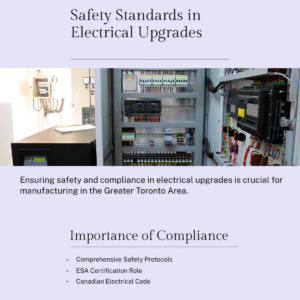
Safety and compliance form the cornerstone of industrial electrical safety and compliance in modern electrical upgrades across the Greater Toronto Area’s manufacturing sector. In alignment with Ontario’s rigorous regulatory framework, facility managers must prioritize comprehensive safety protocols that protect both personnel and critical equipment investments.
The Electrical Safety Authority (ESA) certification is a mandatory requirement for all industrial electrical service upgrades in the GTA. This certification guarantees that every modification and installation adheres to the current Canadian Electrical Code and local amendments. Progressive facility managers understand that ESA compliance is not just a bureaucratic step but a vital safeguard ensuring operational continuity and legal adherence.
Industrial-grade surge protection is another essential layer of safety within industrial electrical safety and compliance upgrades. GTA’s manufacturing facilities rely heavily on sensitive electronic equipment and automated systems that require robust multi-stage surge protection solutions tailored for industrial environments. These systems shield valuable equipment from damaging power surges and electrical anomalies, minimizing costly downtime.
Arc flash protection has become a critical focus in modern industrial electrical upgrades. Facilities must conduct thorough arc flash risk assessments and implement safety measures including:
-
High-speed arc flash detection systems
-
Remote operation capabilities for hazardous equipment
-
Appropriate Personal Protective Equipment (PPE) enforcement
-
Clearly marked arc flash boundaries and warning signage
Emergency shutdown mechanisms serve as the final defense line in industrial electrical safety and compliance strategies. These systems must be strategically placed and integrated with existing safety protocols, featuring:
-
Multiple redundant activation methods
-
Zoned and selective shutdown capabilities
-
Integration with overall facility safety management systems
-
Automated alerts and notification protocols
Effective safety implementation requires balancing robust protection with operational accessibility. Facility managers must ensure that emergency response systems are easily accessible for swift action while maintaining rigorous safety standards. Regular inspection, testing, and maintenance of these safety components are essential to guarantee reliability and compliance with evolving industrial regulations.
The complex nature of modern industrial electrical systems demands a holistic safety approach. Safety components should seamlessly integrate with both legacy infrastructure and future expansions, maintaining consistent protection and supporting operational efficiency.
Beyond regulatory adherence, investing in industrial electrical safety and compliance measures can reduce insurance costs and improve operational reliability. Comprehensive safety systems protect personnel, reduce downtime, and safeguard critical assets, generating significant long-term returns for GTA manufacturers.
Training and documentation are critical to sustaining these safety standards. Facility personnel must receive thorough training on updated safety protocols and emergency procedures post-upgrade. Ongoing safety audits and system updates ensure continuous improvement aligned with technological advancements and changing industrial needs.
As GTA’s manufacturing facilities continue to modernize their electrical infrastructure, prioritizing industrial electrical safety and compliance ensures a foundation for reliable, efficient, and competitive operations. Integrating advanced safety systems with upgraded electrical components enables facilities to protect their workforce and equipment while driving operational excellence.
Energy Efficiency and Sustainability
In today’s competitive manufacturing landscape, industrial electrical energy efficiency is far more than an environmental priority—it is essential for maintaining operational cost-effectiveness and sustainability across the Greater Toronto Area (GTA). Modern commercial electrical service upgrades unlock powerful opportunities to optimize power consumption while boosting overall system performance.
Power factor correction systems are fundamental to maximizing energy efficiency in industrial environments. By minimizing reactive power consumption and maintaining power factors close to unity, these sophisticated solutions help GTA manufacturers reduce electricity costs, avoid utility penalties, and enhance electrical infrastructure performance.
Advanced energy monitoring and management tools provide real-time visibility into facility power usage patterns. With Advanced Metering Infrastructure (AMI), smart sensors, and data analytics platforms, facility managers can pinpoint energy waste, optimize load scheduling, and implement demand-response strategies—key for participating in provincial energy conservation initiatives without sacrificing productivity.
Upgrading to LED lighting systems offers one of the fastest and most impactful routes to energy savings. Industrial facilities can cut lighting energy consumption by up to 75%, while simultaneously improving workplace illumination quality. Modern LED solutions also support integration with occupancy sensors and daylight harvesting systems, maximizing efficiency.
Smart control systems bring these improvements together, creating an integrated energy management ecosystem. Building Automation Systems (BAS) with advanced power management capabilities enable automated load adjustments during peak demand, seamless incorporation of renewable energy sources, and granular control over facility-wide power distribution.
Incorporating Variable Frequency Drives (VFDs) for motor control further enhances efficiency by matching motor speeds to actual load demands. This reduces power consumption in conveyors, pumps, and other industrial equipment. When paired with power quality monitoring, VFDs contribute to a more resilient and cost-effective power infrastructure.
Strategic use of thermal imaging and power quality analysis tools enables proactive identification of energy losses and equipment inefficiencies before they cause disruptions. This predictive maintenance approach, supported by modern electrical upgrades, preserves energy efficiency while minimizing downtime.
Electrical upgrades also create opportunities to integrate renewable energy systems and energy storage solutions, such as solar power and battery units. These technologies help GTA manufacturers reduce carbon footprints and energy expenses, aligning with global sustainability trends.
As GTA’s industrial sector embraces Industry 4.0, electrical infrastructure must support advanced manufacturing technologies while prioritizing energy efficiency. Modern commercial electrical upgrades lay the groundwork for this evolution, keeping manufacturers competitive in an energy-conscious marketplace.
By implementing comprehensive industrial electrical energy efficiency solutions, GTA manufacturing facilities can substantially lower operational costs, improve power reliability, and position themselves for sustainable growth and technological advancement.
FAQ
1. What does Modernizing Industrial Power Systems entail for GTA manufacturing facilities?
Modernizing Industrial Power Systems in GTA manufacturing facilities involves upgrading the existing electrical infrastructure to handle advanced machinery, automation, and safety protocols efficiently. It means implementing robust power distribution units, smart monitoring, and backup systems to ensure continuous, reliable power that supports Industry 4.0 technologies. This modernization enhances operational efficiency, energy management, and regulatory compliance, preparing facilities for future growth and technological advancements.
2. Why is Modernizing Industrial Power Systems crucial for manufacturing operations?
Modernizing Industrial Power Systems is crucial because industrial operations rely on increasingly sophisticated equipment and automated processes that demand reliable and efficient power supply. Upgrading power systems minimizes downtime, improves safety through advanced protection mechanisms, and reduces energy costs by optimizing consumption. For GTA facilities, these improvements ensure competitiveness in a fast-evolving industrial landscape while adhering to regulatory standards.
3. How do Modernizing Industrial Power Systems impact energy efficiency and sustainability?
Modernizing Industrial Power Systems positively impacts energy efficiency by integrating technologies such as power factor correction, LED lighting upgrades, and variable frequency drives. These improvements reduce energy waste and utility costs. Additionally, the modernization allows for the incorporation of renewable energy sources and smart energy management tools, helping GTA manufacturers meet sustainability goals and regulatory requirements while maintaining high production standards.
4. What are the main safety benefits of Modernizing Industrial Power Systems in industrial upgrades?
The main safety benefits include enhanced surge protection, arc flash mitigation, and emergency shutdown mechanisms that protect both personnel and equipment. Modernizing Industrial Power Systems ensures compliance with the Ontario Electrical Safety Code and incorporates advanced monitoring to prevent electrical hazards. This leads to fewer accidents, reduced downtime, and lower insurance costs, fostering a safer working environment in GTA manufacturing plants.
5. How does Modernizing Industrial Power Systems support future scalability in industrial facilities?
Modernizing Industrial Power Systems supports scalability by incorporating modular designs, redundant power paths, and smart monitoring systems that accommodate future expansions without major infrastructure changes. This flexibility allows GTA manufacturing facilities to adapt quickly to changing production demands and technological advancements, ensuring their power infrastructure can grow alongside their operations efficiently.
Conclusions
At our core, we believe that Modernizing Industrial Power Systems is not just a technical upgrade—it’s a strategic move for GTA industrial facilities aiming to maximize efficiency, enhance safety, and prepare for future expansion. By working closely with facility managers, we help implement commercial electrical service upgrades that are fully compliant, scalable, and tailored to operational goals.