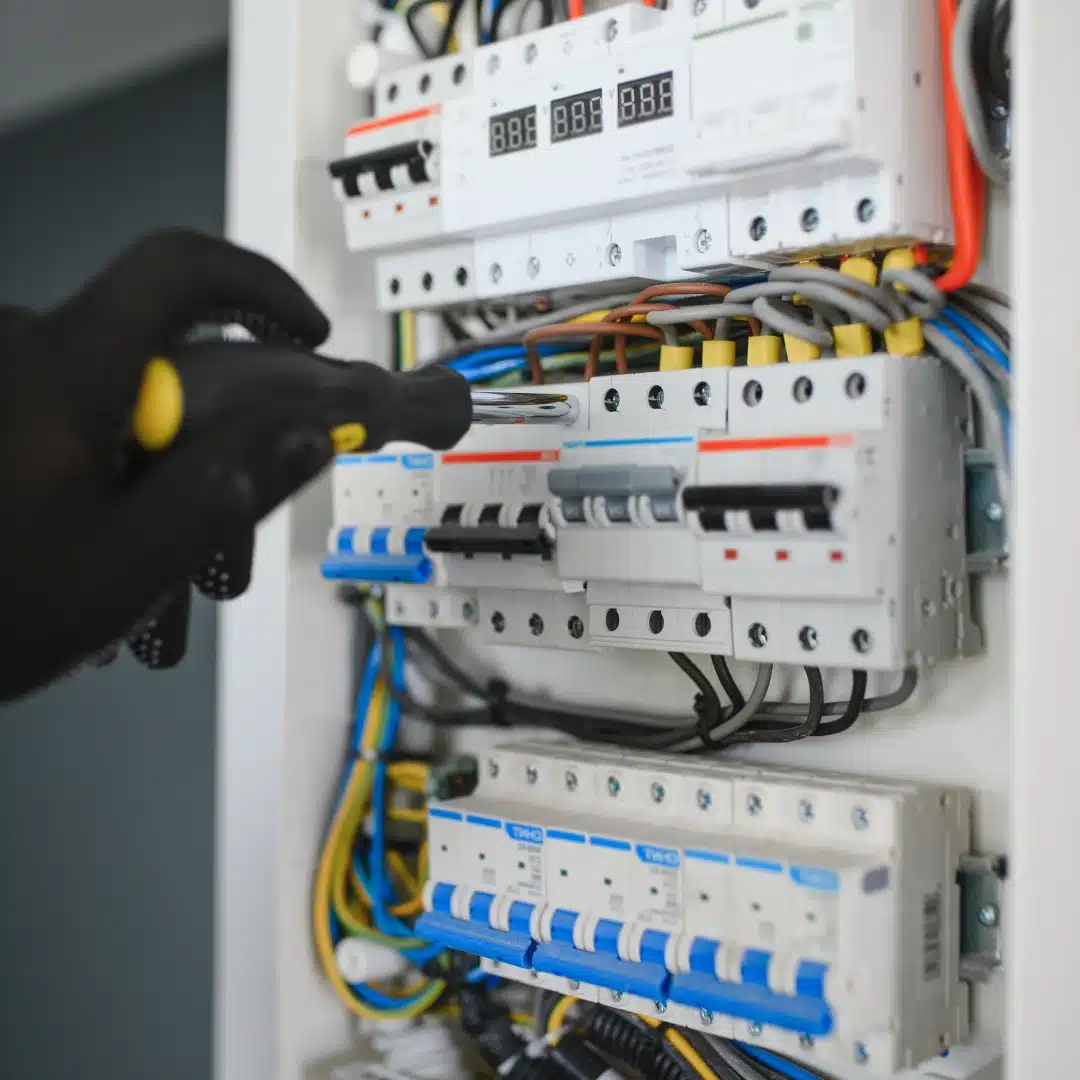


Residential electrical services by location differ significantly based on city codes, climate demands, labor costs, and permitting requirements—making local expertise essential for safe, compliant results.
- Local expertise is non-negotiable—only hire certified electricians who understand your city’s unique codes, permitting, and climate-driven needs for long-term safety and value.
- Service costs vary by city—expect higher quotes in regions with expensive labor (like Chicago, $97K average wage) and prioritize transparency in all pricing and timelines.
- Ensure total compliance by always verifying proper licenses, permits, and insurance; reputable electricians provide clear paperwork and handle all local regulatory requirements.
- Energy rates can differ dramatically—for example, California’s $0.336/kWh (triple Louisiana’s rate); target energy-efficient upgrades and smart tech to slash your bills, especially in high-rate or high-usage areas.
- Pick electricians with proven credentials—look for ESA, Red Seal, or equivalent certifications and read recent trusted reviews to confirm reliability and workmanship.
- Demand transparent quotes and clear communication—avoid hidden fees, rushed timelines, or contractors unwilling to disclose project details or experience.
- Take advantage of city rebates and utility programs—use local resources like Toronto Hydro or BC Hydro to save on panel upgrades, EV chargers, and green retrofits.
- Stay ahead of emerging trends—future-proof your home with smart panels, surge protection, and EV charging solutions as tech and regulations rapidly evolve.
Choosing the right electrician means protecting your family, your property, and your budget—read the full guide for city-specific resources, regulatory tips, and actionable checklists to power your next project with confidence.
Introduction
Picture this: A brief power surge leaves your home in darkness, and two questions race through your mind—“Is my wiring safe?” and “Who can I actually trust to fix it, fast?” If you own a property in the GTA, you know that finding certified, reliable electrical help isn’t just about flipping a switch—it’s about protecting your home, your investment, and your peace of mind.
The truth? Every city has its own electrical codes, labor rates, and unique safety challenges. What works in Toronto’s century-old neighborhoods might not fly in Orlando’s hurricane zone or under Vancouver’s strict green building rules. One misstep—a missed permit, an uncertified installer, or a shortcut on safety—can cost much more than just time or money.
That’s why choosing the right residential electrical service is as much about local expertise, up-to-date certifications, and transparent pricing as it is technical know-how. Homeowners and business owners alike are demanding more:
- Honest communication and clear pricing (no hidden fees)
- Workmanship that meets or exceeds city-specific codes
- Quick, reliable response times—especially for urgent issues
- Proven safety practices to protect your loved ones and property
With new trends—like surging demand for smart home upgrades, EV chargers, and energy-saving installations—electrical projects are more complex and regulated than ever. The market is moving fast, and only trusted, certified electricians truly deliver lasting results.
Whether you’re renovating a heritage Toronto home, updating a business panel in Vancouver, or simply preventing the next outage, understanding how location impacts every aspect of electrical service is your first step to confident, stress-free decisions.
Ready for practical insights, local comparisons, and actionable advice on navigating the world of residential electrical services—all tailored to your city’s unique requirements?
You’re in the right place. Let’s break down what makes electrical services tick across major cities—starting with what every homeowner should know.
Understanding Residential Electrical Services Across Major Cities
Whether you own a home in Toronto, Orlando, or Vancouver, residential electrical services are the backbone of a safe, functional household.
Typical services include:
- Repairs of wiring, outlets, and breakers
- Upgrades for panels, lighting, or smart home integration
- Safety inspections to detect potential hazards
- Code compliance updates to meet the latest standards
These essentials are the starting point no matter your city—but every location brings its own set of challenges.
How Location Shapes Your Electrical Needs
Electrical demands shift depending on climate, city infrastructure, and building codes.
Picture a steamy Dallas summer—air conditioning spikes power use, demanding robust wiring and fast troubleshooting.
In contrast, Vancouver’s green building codes push clients toward energy-efficient upgrades and solar-ready installations.
Key factors influencing your service:
- Climate extremes (Texas heat vs. Vermont winters) change power load requirements
- Local permit rules and code inspections impact timelines and scope
- Older homes in Toronto might require rewiring or panel upgrades due to aging infrastructure
No two cities are exactly alike—city-specific knowledge is crucial.
The Value of Certified and Local Expertise
Electrical work isn’t one-size-fits-all. Only a certified professional can ensure safe, lasting results—and each city has its own licensing and inspection requirements.
When choosing a provider, demand:
- Proof of up-to-date certifications and insurance
- Familiarity with area-specific codes and materials
- Transparent, up-front pricing with no hidden surprises
The cost of ignoring these details? Non-compliance fines, unsafe installs, or delays that balloon expenses.
Why Core Values Matter in Every Zip Code
Daliran Electric’s approach to every city is anchored in:
- Reliability: Quick, accurate responses every time
- Safety: Zero shortcuts with your family’s wellbeing
- Transparency: Honest pricing, clear communication
- Excellence: Certified workmanship you can trust
“Electrical peace of mind is a local affair—ask for credentials, expect transparency, and never settle for shortcuts.”
Picture this: A neighbor recommends a Toronto electrician who fixes your breaker, explains the process in plain terms, and leaves your home cleaner than they found it. That’s safety and professionalism in action.
Wherever you live, the key takeaway is simple—invest in qualified, local pros who share your values for safety and excellence. This lays the groundwork for years of trouble-free, efficient power at home.
Regional Codes, Regulations, and Permit Requirements
Every city and province/state has its own set of building, safety, and electrical codes that impact every residential electrical project. What’s safe and standard in Vancouver may be outdated or even non-compliant in Orlando or Toronto.
For homeowners, local regulations shape:
- Scope of work: Some cities require permits for even minor electrical repairs, while others focus on large installations.
- Project timelines: Approval can range from same-day digital permits in some areas to multi-week waits for inspections in others.
- Inspection requirements: Many regions demand at least one formal inspection before work can be completed and energized.
Why Local Expertise Matters Most
A certified, locally-experienced electrician ensures:
- All work meets or exceeds the latest codes
- Paperwork and permits are handled directly (saving you time and headaches)
- Faster approvals by knowing city-specific processes and contacts
For example, Toronto’s Electrical Safety Authority (ESA) update means every residential project requires an ESA notification—even replacing a fixture. In Orlando, strict hurricane codes change how and where certain electrical panels can be installed.
Comparative Overview: City-Specific Compliance Examples
Picture this: Vancouver requires advanced energy efficiency measures like LED-only retrofits and insulated wiring—far stricter than most Canadian cities.
By contrast, California’s Title 24 demands smart controls and solar-ready wiring for new builds, driving up both quality and project complexity.
Meanwhile:
- Toronto: ESA permit process and inspections mandatory for most jobs; ESA website provides a searchable database and application guides.
- Orlando: Separate city permitting, often requiring two inspections; local government websites list required documents and timelines.
- Red Deer, Perth, St Augustine: Each city uses distinct bylaw systems—residents can usually verify permits via online dashboards on municipal websites.
How to Verify Codes and Permits
Get ahead by:
- Checking your city’s building or electrical safety website: Search “electrical permit [your city]” for links.
- Contacting local permit offices directly: Many offer one-on-one support or FAQs.
- Asking your electrician for their license number and city permit receipts.
When choosing a provider, insist on proper credentials and a clear, step-by-step permit process.
Ultimately, staying compliant isn’t just a box to check—it’s how you protect your investment, your family’s safety, and your project’s timeline. Knowing your city’s codes and partnering with a certified expert will save time, prevent costly mistakes, and keep your project running smoothly.
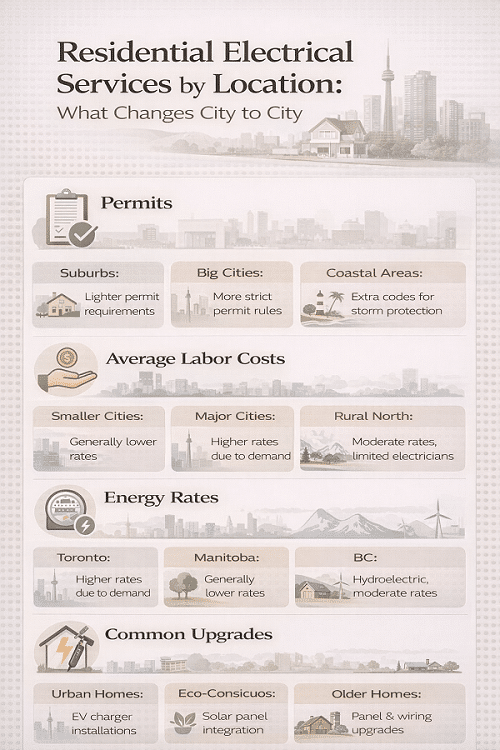
Electricity Usage, Rates, and Cost Factors by City
Residential electricity costs aren’t created equal—where you live truly shapes your bill.
If you’re in the hot Southwest (think Phoenix, Dallas), high air conditioning use sends usage soaring. In cooler places (like San Francisco or Burlington, VT), average homes use a fraction of that power.
A homeowner in Phoenix averages 3-4 times more annual usage than one in San Jose, simply due to climate demands.
Regional Data: What Do the Numbers Say?
- Least Usage (Major Cities):
- Burlington, VT
- Concord, CA
- San Jose, CA
- Sacramento, CA
- San Francisco-Oakland, CA
- Most Usage (Major Cities):
- Phoenix, AZ
- San Antonio, TX
- Dallas-Fort Worth, TX
- Tampa, FL
- Austin, TX
Arizona homes, for example, face average yearly costs of $3,072, whereas San Francisco’s more efficient homes average only ~$169/month.
State-by-State Power Rates: Cheap vs. Expensive
Rates as of January 2026 (¢/kWh):
- Lowest:
- Louisiana: 12.39
- Idaho: 12.46
- North Dakota: 12.82
- Highest:
- Hawaii: 39.74
- California: 33.6
- Massachusetts: 31.37
A California homeowner pays almost triple what someone in Louisiana does per kilowatt-hour—factor this when planning upgrades or budgeting for any project.
What Drives Your Residential Electrical Service Costs?
Your total bill is shaped by:
- Usage: High-consumption cities = bigger bills
- Labor rates: Electricians charge more in Chicago ($97K/year) than in Miami ($50K/year), impacting service quotes
- Local material costs: Metro-specific supply trends can raise or lower parts pricing
High-usage homes in affordable states may face big bills, especially when AC, rewiring, or panel upgrades are needed. In high-rate states—think California—demand grows for energy-saving improvements and smart home upgrades.
Immediate Takeaways
If you live in a hot or high-rate area, consider boosting efficiency or scheduling wiring updates when usage is lower. Shopping rates and timing projects right can mean hundreds in annual savings.
As energy prices and city-specific trends keep evolving, one thing is constant: understanding your local usage, rates, and labor costs is the surest way to power your home with confidence.
Labor Market Insights: Electrician Wages and Availability
Regional Variations in Electrician Wages
What you pay for residential electrical services often reflects local electrician wages—sometimes by thousands of dollars.
Chicago’s average electrician salary tops the charts at $97,058 per year, while Miami lags at just $50,150.
Here’s how major metros stack up:
- Highest Average Annual Wages (cost-of-living adjusted):
- Chicago: $97,058
- Portland: $95,737
- Minneapolis: $90,987
- Lowest Average Annual Wages:
- Miami: $50,150
- Orlando: $51,311
- Dallas: $55,919
“Your city’s labor market sets the baseline for every quote you’ll receive.”
Pricing, Quotes, and What to Watch
Service pricing is directly shaped by these local wage differences and regional cost of living.
In states like Illinois and Oregon, expect higher quotes—but also highly skilled professionals and robust protections.
In Sun Belt metros such as Texas and Florida, lower wages mean more competitive bids and sometimes quicker project scheduling, especially for routine jobs like outlet replacements.
Picture this: You live in Dallas, where electrician wages are among the lowest in the country. You get three bids for a panel upgrade—$1,200, $1,700, $2,100. The high end may reflect premium brands or rush jobs; the low bid could signal cut corners or an unlicensed worker.
Always watch out for:
- Unusually low or high bids
- Contractors unwilling to provide clear, written quotes
- Vague timelines linked to labor shortages or overbooked schedules
Impact on Availability and Project Timelines
Rapid growth in cities like Phoenix and Orlando has created local shortages of licensed electricians—which can mean longer waits, even with lower prices.
National demand for electrical services is rising fast, fueled by smart home installations and energy retrofits. The industry’s revenue is expected to reach $312B in 2025.
Shareable insight: “The fastest—and safest—project outcomes come from upfront, transparent quotes and qualified, local professionals.”
Key Takeaway
Your city’s labor market drives both the cost and the speed of residential electrical work. Always prioritize licensed electricians, transparent quotes, and local expertise for safe, stress-free results—no matter what the rates are in your area.
Profiles and Resources: Electrical Service Providers in Key Cities
Understanding the landscape of residential electrical service providers in major cities can save you time, money, and unnecessary stress.
Every city, from Toronto to Perth, has its own network of certified electricians, regulations, and local nuances that shape the service experience.
It pays to know what matters most when choosing a provider.
Evaluating Electricians: What to Look For
Choosing the right electrician isn’t just about price.
Key considerations include:
- Certified Credentials: Always select providers with up-to-date provincial or state licenses, including Red Seal or ESA certification (Ontario).
- Trusted Reviews: Check Google, Better Business Bureau, and Houzz for recent testimonials and complaint history.
- Relevant Project Experience: Does the company have a solid track record with projects similar to yours—panel upgrades, EV chargers, or full-home rewiring?
- Transparent Estimates: Seek out electricians who provide itemized quotes and outline all potential costs up front.
A memorable tip: “Always ask about certification before you ask for a quote—safety comes first.”
Key Cities: Unique Provider and Resource Highlights
Here’s what sets each city apart:
- Toronto: ESA-licensed contractors can be verified at esasafe.com; Toronto Hydro offers energy-saving rebates for upgrades.
- Vancouver: Strict green building codes; check permit status through City of Vancouver. BC Hydro’s Home Renovation Rebate is significant for energy-efficient work.
- Orlando & St Augustine: Florida’s Building Code requires special hurricane safety features; rebate programs available via Duke Energy.
- Red Deer: Alberta regulates master electrician licensing; city inspection offices handle permit questions directly.
- Perth: Western Australia requires WA Electrical Contractor licenses; Synergy offers rebates for select electrical upgrades.
Visualize a provider checking a breaker panel while referencing a tablet loaded with local code requirements—precision and safety in action.
Essential Resources and Area-Specific Considerations
Leverage these key resources for peace of mind:
- Utility Company Websites: Most cities provide current rebate information, outages, and service directories.
- Permit Centers & Inspection Offices: Direct access to requirements ensures your project won’t stall unexpectedly.
- Local Directories: Use trusted platforms such as ESA Find a Contractor (Toronto), HomeStars (Canada-wide), Licenced Electricians (Australia), or Angie’s List (U.S.).
Remember, climate and local growth drive demand—Orlando’s hurricane risks and Vancouver’s green retrofits make area-specific expertise invaluable.
Picture this: In a summer heatwave, Phoenix homeowners often need same-day AC wiring fixes—fast, local support is non-negotiable.
Focused research and local insight are your shortcut to a safe, hassle-free electrical project. Stick with licensed professionals, tap city resources, and you’ll power your home confidently—no matter the city.
Navigating Your Options: Choosing the Right Service for Your City
Choosing residential electrical services is about more than just price—prioritize safety, reliability, and certified expertise first.
Start by identifying your immediate need: are you upgrading your panel, adding smart home tech, or in need of urgent repairs? This sets the foundation for every other choice.
—
Step-by-Step: Find the Right Electrician for Your City
Follow this practical checklist to select a provider who matches your local context:
- Verify certifications and licenses—always ask for proof, especially local credentials.
- Review current wage and rate data in your city (e.g., Chicago electricians average $97K/year, Miami $50K).
- Get at least two competitive quotes, making sure each bid lists labor, parts, and timelines.
- Check online reviews and ask for references from recent local projects.
- Ask about guarantee and insurance coverage for any installation or repair.
When in doubt, choose the company that communicates clearly and transparently—this prevents surprises later.
—
Tailored Tips: Matching Services to City Trends
Your city’s rates, regulations, and climate shape what matters most:
- Phoenix, Dallas (high-usage, low-rate): Focus on AC-related repairs and upgrades; compare bids to reflect lower local labor costs—monthly bills can be 2–4x those in cooler cities.
- San Francisco, Vancouver (high-rate, efficient): Emphasize energy-saving upgrades; invest in premium service to reduce long-term bills—average CA bill ~$169/month with 503 kWh use.
- Toronto, Orlando (permit-heavy): Always check local permit requirements; regulatory delays can impact timelines.
- Texas (deregulated market): Shop electricity plans using your ZIP code then hire local, certified installers for best pricing.
“A reliable electrician is as crucial as a trustworthy family doctor—your family’s safety depends on it.” This is your non-negotiable.
—
What to Prioritize? Cost vs. Timelines vs. Specialization
Consider:
- Cost: Crucial in high-usage/starved wage areas; don’t sacrifice quality for savings.
- Timelines: Sun Belt cities may offer faster service, but always confirm availability.
- Specialization: Smart home or EV charging? Look for proven experience.
- Communication: If a provider dodges questions, keep shopping.
“Picture this: Your project, completed on time, on budget, and with a walkthrough that gives you total peace of mind.”
—
Quick tip: Search for vetted, local electricians via municipal directories or utility company recommendations for instant legitimacy.
In summary, the right local electrician will combine expertise, cost transparency, and trusted reviews—ensuring every project is not just done, but done right.
Current and Emerging Trends Shaping Residential Electrical Services
Residential electrical services are evolving faster than ever—driven by consumer demand, new technology, and rising energy costs. Homeowners and business owners across the GTA and North America are seeing major changes in the way their electrical projects are designed and delivered.
The top trends shaping electrical services in 2025 include:
- Rising demand for licensed professionals: With sector revenue on track to hit $312B and regulatory scrutiny intensifying, only certified, transparent contractors are trusted for critical work.
- Smart home technology: From lighting automation to whole-home energy management, integration of smart systems is a must-have for modern homes.
- EV charging station installations: As electric vehicle ownership doubles, panel upgrades and home EV solutions are among the most requested services.
- Energy-efficient retrofits: High energy rates—like California’s $0.336/kWh—are fueling demand for LED upgrades, advanced insulation, and efficient appliances.
Picture this: You click a single app to see your Toronto home’s real-time energy usage, schedule an electrician for same-day EV charger install, and apply for a city rebate—all seamlessly, thanks to integrated smart solutions.
How High Rates and Changing Habits Drive Innovation
Cities with the highest energy rates and extreme weather—think Vancouver or Phoenix—see homeowners racing to minimize waste and boost reliability.
- Top service calls: Panel upgrades, “breaker box” replacements, home battery backups, and “weather-proofing” of outdoor circuits.
- Stat: Phoenix faces $3,072/year average home energy bills; even modest efficiency upgrades pay for themselves within two to four years.
- DIY isn’t keeping up: Local code changes, smarter tech, and incentives make pro installation essential for safety and compliance.
The 2025 Outlook: What to Watch For
Expect even more change ahead in residential electrical services:
- Tighter regulations in busy cities—homeowners must meet new safety compliance for rentals and renos.
- Energy monitoring advances will guide buying and upgrade decisions.
- Certified contractors will have even bigger roles protecting property and investment.
Implications and Pro Tips for Homeowners and Businesses
For GTA homeowners and business owners, these trends mean smarter planning, higher safety standards, and more reliable long-term savings.
- Budget for future-proof upgrades: Smart panels, surge protection, and EV integration are fast becoming the norm.
- Verify certifications: Only hire electricians who can prove local licensing and insurance—especially with new code and technology requirements.
- Stay informed: Watch for city rebate programs, permit center updates, and local power rate changes to maximize project value.
In today’s market, hiring a trusted, certified electrician isn’t just recommended—it’s essential for safe, efficient, and future-ready homes. Staying ahead of the trends will empower your budgeting, project planning, and the quality of your family’s everyday experience.
Learn more about our residential electrical services to see how certified local expertise ensures safe, compliant installations in every city.
Conclusion
The right electrical service isn’t just a convenience—it safeguards your home, your family, and your investment. When you choose certified, city-savvy professionals, you unlock efficiency, peace of mind, and built-in protection for the years ahead.
Your city’s codes, climate, and costs are unique, but one thing never changes: commitment to expertise and safety pays off every time.
—
Key Takeaways:
- Always confirm your electrician’s certifications, insurance, and city-specific licensing
- Leverage local rebates, utility incentives, and permit resources to maximize value
- Compare at least two detailed, transparent quotes before making your decision
- Prioritize project-specific experience—whether it’s smart home upgrades, rewiring, or energy efficiency
- Insist on open communication and written guarantees for every job
—
Next Steps:
- Take a minute to search your city’s permit or utility site for current regulations and rebate programs
- Contact Daliran Electric or another certified provider to verify credentials and discuss your project
- Gather references and read verified reviews to ensure you’re choosing a partner you can trust
- Schedule an on-site walk-through for your specific electrical needs
—
Choosing reliable electrical services is an investment in your safety, comfort, and the future value of your home.
Power your world with expertise—because settling for anything less just isn’t worth the risk.
Your confidence, convenience, and peace of mind all start with one empowered decision—choose local expertise and let high standards light the way.
In Ontario, all residential work must comply with regulations enforced by the Electrical Safety Authority (ESA) to ensure homeowner safety and legal compliance.
FAQs
Q1: Why do residential electrical services vary by location?
Residential electrical services by location vary due to local building codes, climate demands, labor wages, and permit requirements.
Q2: Do I need permits for residential electrical work in every city?
Yes, most cities require permits for residential electrical services, especially for panel upgrades, rewiring, and new installations.
Q3: Are electrical service costs higher in major cities?
Typically yes—cities with higher labor wages and stricter regulations tend to have higher electrical service costs.
Q4: How can I verify a local electrician’s license?
Check municipal permit offices, provincial/state licensing boards, or electrical safety authorities specific to your location.
Q5: What electrical upgrades are most common by location?
EV chargers, smart panels, surge protection, and energy-efficient lighting are increasingly common across major cities.